Hey everyone, it’s Jake here from the metal hose team—you know, the guys who make sure those flexible metal tubes you use for everything from industrial piping to automotive fuel lines don’t go sideways. I’ve been doing this for 8 years, and honestly? Half the calls I get aren’t about product specs or pricing—they’re from people who had a hose fail, and they’re wondering what went wrong. Let’s cut through the jargon today and talk about the real, practical safety stuff that actually matters when using these things. No textbook garbage, just what I’ve seen keep plants running and prevent messy, dangerous disasters. Metal Hose

First off, let’s get one thing straight: metal hoses aren’t like rubber ones you can just stretch, kink, and forget about. I’ve seen installers yank a metal hose too tight because they’re in a hurry, and boom—bends that are too sharp crimp the interlock on the hose wall. That crimp creates a weak spot where pressure builds up, and before you know it, you’ve got a leak of whatever’s inside—could be high-pressure steam, corrosive chemicals, even flammable gas. So rule numero uno: never bend a metal hose beyond its minimum bend radius. Wait, what’s that, exactly? It’s the smallest circle you can bend the hose without kinking it. Every single hose we sell has that number stamped on the label—like, if it’s a 2-inch hose, the min bend radius is 12 inches. Don’t ignore that. I once had a guy say “it’s just a little bend” and his hose blew out 3 months later, costing his company $50k in downtime. Worth skipping the shortcut? Nope.
Next up, pressure ratings. This is another big one. A lot of people see “metal hose” and assume it can handle any pressure, but that’s dead wrong. The working pressure isn’t the same as the burst pressure, and it drops depending on the temperature of the fluid you’re moving. For example, a hose rated for 300 PSI at room temp might only do 200 PSI at 400°F. I’ve seen someone run a hot oil line way over its rated pressure because they didn’t check the temp correction chart that comes with the hose. The hose swelled a little, lost flexibility, and split open. Bad news all around. Pro tip: when sizing a hose, always add a 20-25% safety margin for pressure and temperature. Don’t play it tight—things spike, machines wear, and you don’t want to be the one explaining why you skipped that extra cushion.
Then there’s vibration. If you’re using a metal hose on something like a pump, compressor, or engine that shakes like crazy, you can’t just mount it straight and walk away. Vibration is the #1 cause of metal hose failure, hands down. I’ve seen hoses that lasted years on stationary equipment break in 6 months on a pump next to a running lathe because no one added isolators. What do isolators do? They absorb that shake so it doesn’t transfer to the hose. Also, don’t anchor both ends of the hose—leave a little slack, so it can move with the vibration instead of being stretched tight. If you anchor both ends, the metal fatigues from the constant pull, and you get cracks where you least expect them. Last year, a customer called us panicking because their hose on a gas compressor cracked and leaked—turns out their maintenance team had installed it tight, no slack, and no isolators. We sent a technician out for free (we do that for regular customers) and fixed it in an hour, but still—avoidable.
Now, the stuff most people forget: handling during installation. Metal hoses are flexible, but they’re not indestructible. Don’t drag them across concrete, don’t hit them with tools, don’t step on them. I’ve seen installers drop a wrench on a hose mid-install, dented the wall, and then acted like it’s no big deal. That dent weakens the structure. Over time, that weak spot will grow, especially under pressure, and the hose will fail. Also, when you connect the ends—whether it’s flanges, threads, or quick connects—don’t over-tighten. Threads strip, flanges warp, and that’s a leak waiting to happen. Use a torque wrench, and follow the specs. We always include a torque guide with every hose we ship, so use it. I get it, you’re busy, but 5 minutes of proper tightening is way better than cleaning up a chemical spill or shutting down a line for days.
Corrosion. This is huge, especially if you’re working with marine environments, saltwater, or acidic chemicals. Not all metal hoses are made the same. Some are stainless steel 304, some are 316, some are galvanized. 304 is great for water and mild chemicals, but if you throw it in saltwater, it’ll rust through in a year. 316 is more corrosion-resistant, but it’s pricier—though that’s a better bet for harsh environments. Also, don’t mix metals. If your hose is steel and the fitting it’s connected to is aluminum, you get galvanic corrosion. The two metals react when wet, and the hose will degrade faster. I had a food processing client make that mistake once—their 304 hose connected to an aluminum flange, and within 8 months, the hose had holes from corrosion. We replaced it with 316 stainless flanges and hoses, and they haven’t had an issue since. Check the material compatibility for every part of your setup, not just the hose.
Wait, what about when you’re storing hoses before installation? I almost forgot that. A lot of guys just pile new hoses in a corner of the shop, roll them up tight, and leave them for months. Bad idea. Rolling a hose too tight for storage can set a permanent kink, even if you don’t see it at first. Store hoses flat, or loosely coiled with a radius bigger than the min bend radius. Also, keep them out of direct sunlight if they have any external coatings—UV rays break down those coatings, leading to rust or leaks. Don’t store them near sharp tools or heavy equipment that could dent them, either. I’ve seen a pile of hoses get crushed under a pallet of steel parts, and those hoses were useless even though they were never installed.
Testing and maintenance. You can’t just install a hose and never look at it. Set a schedule for inspections. Check for leaks, dents, kinks, corrosion, or loose fittings once a month, or more often if it’s a high-pressure line or moving a hazardous material. Also, pressure test the line before you put it into full service, especially if you just installed a new hose. Don’t just rely on the manufacturer’s test—do your own. I once had a customer skip testing, and when they turned on the line, a hose fitting blew because it wasn’t tightened right. They were lucky no one got hurt, but their shop had to be evacuated for 4 hours. Test it. It’s a hassle, but it’s way better than an emergency.
Oh, and a quick note about special applications. If you’re using a metal hose for high-temperature stuff, like furnace exhaust or hot gas, make sure it’s rated for that temp. Regular stainless steel will lose strength at really high temps, so you might need an alloy like Inconel or Hastelloy. And if you’re using it for cryogenic fluids—like liquid nitrogen or LNG—don’t use a regular hose. Cryo hoses have special insulation and construction to handle extreme cold, and regular ones will crack. We’ve had customers try to use standard hoses for cryo stuff, and they split within weeks. Save yourself the trouble—match the hose to the job, don’t cut corners.
Look, I get it. When you’re in charge of a production line or a facility, you’ve got a million things on your plate. Metal hoses seem like a small part, but they’re one of the most critical—they move the fluids that keep your machines running. Cutting corners on installation, not checking specs, ignoring maintenance? That’s when bad things happen. I’ve been doing this long enough to know: a little attention to these safety steps saves way more time and money than dealing with a failure.
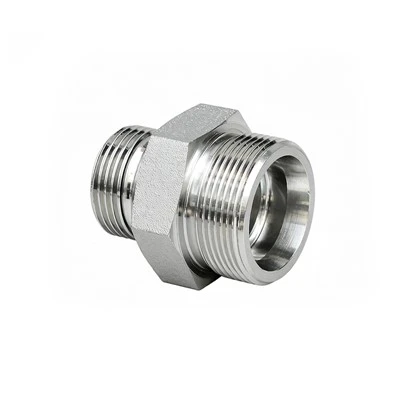
If you’re not sure what kind of hose you need for your application, or if you have questions about a current setup, hit us up to chat about it. We don’t just sell hoses—we help make sure they work safely, too. Whether you’re a small business or a big plant, we can walk you through sizing, specs, installation tips, whatever you need. No pressure, no sales jargon—just straight talk about what works.
Metallic Expansion Joint References:
- Hose Safety Institute. (2021). Practical Guidelines for Metal Hose Installation and Maintenance.
- American Society of Mechanical Engineers (ASME). (2019). Performance Standard for Flexible Metal Hose Assemblies.
- National Fire Protection Association (NFPA). (2020). Standard for Gas Piping and Piping Systems.
Jiangyin Jiayu Pipe Industry Co., Ltd.
With abundant experience, we are one of the most professional metal hose manufacturers in China. We warmly welcome you to wholesale bulk high quality metal hose in stock here from our factory. If you have any enquiry about pricelist and free sample, please feel free to email us. Customized orders are welcome.
Address: No.161 Ludong Main Street, Luqiao, Jiangyin City, Wuxi City, Jiangsu Province
E-mail: 15161623900@163.com
WebSite: https://www.jiayupipe.com/
