If you’ve ever wandered the herbal aisle at a health store or scanned your phone for natural supplements, you’ve probably seen herbal granules front and center. As someone who’s been supplying these little convenience-packed snippets for over 8 years now, I get it—they’re a game-changer for folks who want the benefits of traditional herbs without the mess of steeping, grinding, or guessing if they’re measuring right. But here’s the thing that stops a lot of people from picking them up: “Wait, are there things I shouldn’t mix these with? Or side effects I’m missing?” That’s the question I’m breaking down today—no stuffy textbook jargon, just straight talk from a supplier who hears these concerns every single day. Herbal Granules

First off, let’s cut through the noise: herbal granules aren’t “one-size-fits-all,” and they do come with contraindications—aka, things you need to watch out for before adding them to your routine. These aren’t warnings to scare you, though; they’re just common-sense guardrails, same as you wouldn’t down a bottle of OTC meds without checking the label first.
Let’s start with the big one: drug interactions. A few months back, a regular customer (small business owner, super busy) hit me up panicking because he’d been taking St. John’s Wort granules for seasonal blues and his new blood pressure meds weren’t working. Turned out St. John’s Wort is a notorious inducer—It speeds up your liver’s ability to break down tons of prescription drugs, from blood thinners like warfarin to antidepressants to even birth control pills. That’s not to say you can never use St. John’s Wort, but if you’re on prescription meds? You have to run it by your doc first. I can’t tell you how many times I’ve had clients brush this off, only to have a bad experience. It’s not that herbs are “unsafe,” but they’re powerful—just like the drugs we rely on.
Another big interaction spot? Blood sugar and blood pressure meds. Let’s say you’ve got cinnamon herbal granules—super popular for energy and digestion. Too much (like, way more than the recommended daily dose) can mess with insulin levels, so if you’re on metformin or another diabetes drug, you might end up with a low blood sugar spike or a dip that leaves you shaky. Same with licorice root granules—they can raise blood pressure, so if you’re taking meds for hypertension, you’ll want to check with your doctor before adding those in. I always make sure to mention this to retailers I work with, because it’s the kind of info that gets passed to end-users and keeps everyone safe.
Next up: pregnancy and breastfeeding. This is a non-negotiable for me. As a supplier, I never sell herbal granules targeted at pregnant or nursing folks without a huge disclaimer on the packaging—and honestly, that line “consult your healthcare provider” is non-negotiable. A lot of traditional herbs, like black cohosh or red clover, are linked to uterine contractions, which can be risky for pregnancy. Even “gentle” ones like peppermint? Some studies say too much peppermint can affect milk supply, so nursing mamas should steer clear unless their OB gives the green light. I’ve had a handful of new mamas reach out asking for “safe” herbal granules, and I always point them to their lactation consultant first—no exceptions.
Then there’s the allergy angle. It sounds obvious, but you’d be surprised how many people skip the ingredient list because they think “herbal” means “no triggers.” Let’s say you’re allergic to ragweed—you might not guess that chamomile or echinacea granules are in the same family, right? I once had a customer who broke out in hives after taking chamomile granules for sleep, and it turned out she’s super allergic to ragweed. That’s why on every batch we make, we list every ingredient, even the “minor” ones, and a note about common cross-reactivities. If you have seasonal allergies or known plant-based allergies, do a quick Google to check if your go-to granules are in a family you’re sensitive to—takes 2 minutes, and saves a lot of discomfort.
Wait, what about when it comes to pre-existing conditions? Let’s talk kidney and liver issues. Your liver and kidneys are the ones that process both herbs and drugs, so if those organs are already working overtime, herbal granules can add extra stress. For example, high doses of comfrey (which some people still use for joint pain) are linked to liver damage—even in granule form. I stopped carrying comfrey granules a few years back because the research on long-term liver effects kept coming up, and I didn’t want to risk selling something that could harm people with compromised liver function. If you have kidney or liver disease, always clear any new herbal supplement, even granules, with your doctor before starting.
And before you ask: “Is there any herbal granule that’s completely off-limits?” Well, maybe a couple, but most have rules, not total bans. For example, ephedra—we don’t carry it, plain and simple. The FDA banned it years ago because it’s linked to heart issues and even strokes, so we’d never touch that. But for the herbs we do supply, the contraindications are almost all “use with caution, check with a pro” rather than “never use.”
Now, let’s get real: a lot of people hear “contraindications” and think “herbs are dangerous,” but that’s not the vibe here. Herbal granules are super convenient, especially for folks who want a consistent dose without the hassle of brewing tea or mixing powders. The key is they’re not “natural” = “safe” 24/7. For example, I have a regular client who runs a yoga studio—she uses ginger granules for her students who get motion sickness, and that’s totally fine… unless a student is on blood thinners, because ginger can slightly thin blood. So she just makes a point to ask anyone who’s new if they’re on meds, and adjust accordingly. That’s the kind of responsible use I stand behind.
A few quick tips from my side as a supplier to make this easier:
- Always read the label—we put contraindication notes right on the front, not just the fine print.
- If you’re on prescription meds, especially warfarin, antidepressants, or diabetes drugs, always run herbal granules by your doctor first. I can’t stress that enough—we had a customer last year who almost missed a warfarin dose because she thought the St. John’s Wort she was taking was “harmless,” and that’s a mistake we never want to see again.
- Start with a low dose. A lot of people think “more is better,” but with herbs, that’s usually the opposite. If you’re new to herbal granules, take half the recommended dose for the first few days, see how your body reacts, then adjust.
- If you’re pregnant, nursing, or have a chronic condition (asthma, heart issues, etc.), skip the self-guessing—call your healthcare provider before adding anything new.
I get it—herbal granules are supposed to make health simpler, not more complicated. That’s why we work hard to make sure our products are transparent about who they’re for (and who they’re not for). As a supplier, my number one priority isn’t just moving product—it’s making sure people use it safely. I’ve been in this long enough to know that the best relationships with our clients (whether they’re small health shops or individual folks) come from being honest about the risks, not just the benefits.
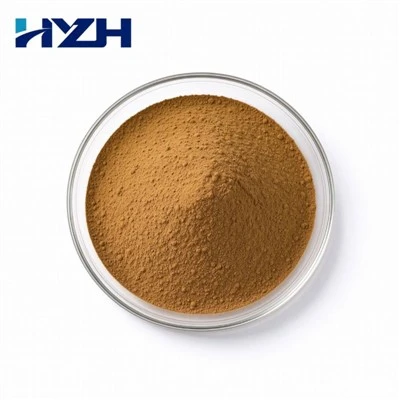
If you’re a retailer looking to stock herbal granules that are clear about contraindications, or a healthcare provider who wants to chat about safe use, or even someone who’s just curious about what granules would work for your routine, hit us up to connect for a quick chat. No sales pitch, just straight answers—because that’s what this industry’s all about.
Breathing Care Herbal Granules References:
- U.S. National Center for Complementary and Integrative Health (NCCIH). Herbal Supplements: What You Need to Know.
- American College of Obstetricians and Gynecologists (ACOG). Use of Botanicals During Pregnancy and Lactation.
- World Health Organization (WHO). Guidelines for the Assessment of Herbal Medicines.
- Journal of the American Medical Association (JAMA). Drug-Herb Interactions: A Systematic Review.
- National Kidney Foundation. Herbal Supplements and Kidney Health.
Shaanxi Huayuan Zhenghe Pharmaceutical Co., Ltd.
We are one of the most professional herbal granules manufacturers and suppliers in China, also support customized service. Please rest assured to wholesale bulk high quality herbal granules in stock here from our factory. Welcome to contact us for quotation.
Address:
E-mail: wangjie20220205@163.com
WebSite: https://www.huayuan-bio.com/
