Hey everyone, it’s [Your Brand] here, your go-to plastic dropper supplier for all things liquid handling—whether that’s essential oils, serums, tinctures, or even small-batch lab formulations. Today I’m tackling a question I get literally every week from new customers, small business owners, and even a few lab techs who just started out: Are plastic droppers FDA approved? Let’s cut through the noise, skip the corporate jargon, and get real about this, because trust me, I’ve seen so much misinformation floating around online, and it’s stressing people out. Plastic Dropper
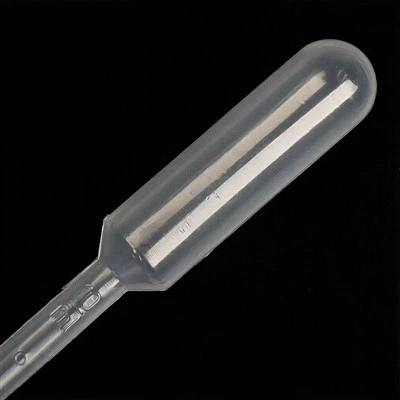
First off, let’s get one thing straight: The FDA doesn’t “approve” every single plastic dropper on the market. That’s a common misconception I’ve been running into lately, and it’s my job to clear that up fast. The FDA’s process isn’t a one-size-fits-all stamp of approval for tiny individual products. Instead, they regulate materials and their intended use. So when we talk about plastic droppers and FDA compliance, we’re talking about two big categories: food and cosmetics, and drugs (including supplements, since the FDA lumps those in too). If you’re using plastic droppers for essential oils, skincare serums, or even craft projects, that’s one lane. If you’re using them to dispense liquid supplements, over-the-counter meds, or prescription compounds? That’s a whole other lane, and the rules are stricter.
Let’s break it down by material first, because that’s what the FDA actually cares about. Most standard plastic droppers I supply are made from LDPE (low-density polyethylene) or PET (polyethylene terephthalate), right? Both are super common, but they’re not created equal when it comes to FDA status. Here’s the tea: LDPE and PET have to meet specific food contact standards if they’re going to be used for anything that touches your mouth, skin, or gets ingested. The FDA sets what they call “21 CFR Parts” — that’s their set of regulations for materials that come into contact with food, drugs, or cosmetics. For LDPE, that’s 21 CFR 177.1520, and for PET, it’s 21 CFR 177.1630. These rules make sure the plastic doesn’t leach weird chemicals into whatever you’re storing, like BPA, phthalates, or other stuff that no one wants near their products.
Now, do these standards mean every plastic dropper I sell is “FDA approved”? Wait, hold on. I can’t say that, because it’s not technically accurate — not the way people mean it. What I can say is that every single one of our food and cosmetic-grade plastic droppers is made with materials that are certified to comply with those 21 CFR parts. We don’t cut corners here, either. We source our resin from reputable suppliers who provide full documentation (we share that with any customer who asks, no hoops to jump through) proving their plastic meets FDA contact requirements. We also test every batch for leachables and extractables, because even if the resin is good, processing can sometimes leave tiny residues. That’s non-negotiable for us, especially because so many of our customers are small skincare brands or herbal tincture makers who rely on their droppers to keep their products safe for people.
But wait, what if you’re using plastic droppers for drugs or supplements? That’s where things get way more specific, and way more strict. If your dropper is part of a drug or supplement packaging, the FDA requires that the entire system — not just the plastic — meets their Current Good Manufacturing Practices (cGMPs). That means the dropper has to be made in a facility that follows strict cleaning protocols, no cross-contamination with other products, and traceability every step of the way. We offer pharmaceutical-grade plastic droppers too, and those come with extra certifications: we’re registered with the FDA as a drug component manufacturer, and our production lines are audited regularly to make sure we’re hitting all those cGMP marks. A lot of suppliers skip this, but we don’t — because if you’re putting something that’s supposed to help people (or even just a supplement someone is taking daily), cutting corners on compliance is irresponsible.
Now, let’s talk about the stuff that trips people up: “FDA approved” vs. “FDA compliant.” I see so many sellers online throwing around “FDA approved” like it’s a golden seal, and half the time they’re just blowing smoke. The FDA rarely “approves” individual packaging components like droppers. They approve the final drug or supplement product. So if a serum you make is FDA-compliant, the dropper it comes in has to be compatible with that product and meet those 21 CFR standards — but the dropper itself isn’t “approved” separately. That’s a key distinction I wish more people got. I’ve had a customer come to me once panicking because their dropper supplier called their product “FDA approved,” and when they checked, it was just compliant with food contact rules, which is way different.
Another thing to consider: intended use. If you’re using a plastic dropper for something that doesn’t fall into food, cosmetic, drug, or supplement categories — like, say, DIY candle scents or craft supplies — the FDA doesn’t have any regulations for that. So a cheap, unlabeled plastic dropper from the dollar store is fine for that, but you wouldn’t want to use that same one to dispense your face serum, right? The quality difference is huge. We only sell droppers that are designed for consumer or commercial use in the regulated categories, so we never deal with that cheap, flimsy stuff that leaches when it touches oil or alcohol.
Let’s also address a common question we get: BPA. A lot of people are scared of BPA in plastic, and rightfully so. All our plastic droppers are BPA-free, and our resin suppliers explicitly confirm that there’s no BPA in the material. The FDA actually banned BPA from baby bottles and sippy cups a while back, which was a good call, and that aligns with our standards. We also don’t use phthalates, which are another big concern for people making natural products. If you see a dropper that doesn’t list its material or has a vague “safe for use” claim without referencing 21 CFR, run the other way — that’s the stuff that could have those bad additives.
Now, let’s be real for a second. I started this company because I saw how many small business owners get ripped off by suppliers who overstate FDA compliance. A few months back, I had a customer come to me who was selling CBD tinctures (which are technically a supplement under FDA rules) and her previous supplier sent her droppers that weren’t cGMP-compliant. She got a warning letter from the FDA, and she was devastated — thousands of dollars in product wasted, her brand’s reputation on the line. That’s why we put so much work into our compliance processes: to make sure our customers never have to go through that. We don’t just sell a plastic tube with a rubber bulb; we sell a component that helps your brand stay safe, legal, and trusted by your customers.
So, to circle back to the original question: Are plastic droppers FDA approved? The answer is: It depends on the type and their intended use. If you need a dropper for food, cosmetics, supplements, or drugs, our plastic droppers are made with FDA-compliant materials and meet all the necessary regulatory standards. If you need them for non-regulated use, we’ve got affordable options for that too, no extra fluff. We never exaggerate our compliance, and we always provide all the documentation you need to show regulators, customs, or your own customers that your products are safe.
At the end of the day, the last thing anyone wants is to have their brand sidelined because of a cheap, non-compliant dropper. We’ve worked with thousands of customers, from one-person Etsy shops making face oils to big supplement brands distributing nationally, and every single one of them relies on us to get this part right. If you’re looking for plastic droppers that are compliant with FDA rules (or if you just have questions about what you need for your specific product), hit us up. We’re not just a supplier — we’re here to help you navigate the regulatory stuff, make sure you’re using the right dropper for your needs, and get you a product that’s reliable and affordable. No hoops, no confusing jargon, just honest answers and quality products.

Ready to chat about your next order? Whether you need 100 droppers for your new tincture line or 100,000 for a national brand launch, we’ve got you covered. Reach out to us today to talk through your requirements, get samples, and make sure you’re picking the right compliant droppers for your business.
Pasteur Pipette References:
- U.S. Food and Drug Administration. (2024). Code of Federal Regulations Title 21, Parts 177.1520 and 177.1630.
- U.S. Food and Drug Administration. (2024). Current Good Manufacturing Practice (cGMP) for Finished Pharmaceuticals.
- U.S. Food and Drug Administration. (2024). Bisphenol A (BPA) Action Plan.
Taizhou Yukang Medical Devices Co., Ltd.
As one of the leading plastic dropper manufacturers and suppliers in China, we warmly welcome you to buy customized plastic dropper at competitive price from our factory. If you have any enquiry about quotation, please feel free to email us.
Address: Heheng Village, Shengao Town, Jiangyan District, Taizhou City
E-mail: taizhouyukang@163.com
WebSite: https://www.tzykylqx.com/
