Alright, folks! As a supplier of industrial cooling units, I often get asked about the component – replacement schedules. You know, running an industrial cooling unit smoothly is like keeping a well – oiled machine going. If you neglect replacement schedules, you’re in for some serious headaches down the line. Industrial Cooling Unit
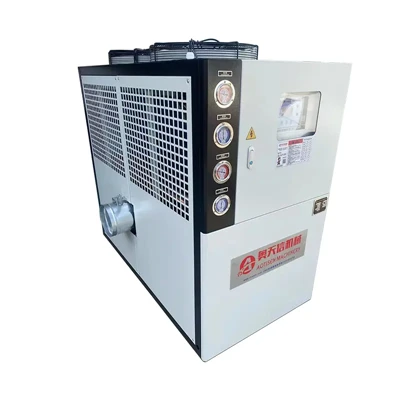
Let’s start with the condenser coils. These bad boys are responsible for releasing heat from the refrigerant, allowing the cooling process to work its magic. Over time, dirt, dust, and debris can build up on the coils, reducing their efficiency. Typically, I’d recommend giving them a good inspection every six months. If you notice a significant amount of buildup or corrosion, it might be time for a replacement. In a normal industrial environment with average dust levels, you can probably get away with replacing condenser coils every 3 to 5 years. But if your unit is in a really dirty or harsh environment, say a factory with lots of fine particulate matter flying around, you might need to replace them every 2 years or even less.
Next up are the evaporator coils. These are the ones that absorb heat from the air in the space you’re trying to cool. Just like the condenser coils, they can get dirty. A monthly visual check is a smart move. You’re looking for ice buildup, signs of leaks, or excess dirt. Ice on the coils isn’t normal and can indicate a problem like a refrigerant leak or a malfunctioning blower. In terms of replacement, in a well – maintained unit, evaporator coils can last around 5 to 8 years. However, if they’ve been exposed to corrosive substances or if there have been multiple refrigerant leaks that have damaged the coils, you’ll have to swap them out sooner.
The compressor is the heart of the industrial cooling unit. It’s responsible for increasing the pressure of the refrigerant, making the whole cooling cycle possible. Compressors are built to be tough, but they’re not invincible. A compressor needs to be monitored closely. You should check the oil levels (if it’s an oil – lubricated compressor) and listen for any strange noises every month. If you hear knocking, rattling, or screeching, those are red flags. On average, a compressor can last anywhere from 10 to 15 years. But factors like the quality of installation, the frequency of use, and the ambient temperature can all affect its lifespan. If your unit is running 24/7 in a hot environment, the compressor might wear out a lot faster, maybe in 7 to 10 years.
Fans are another crucial part of the industrial cooling unit. There are two main types: condenser fans and evaporator fans. These fans help move air through the coils, enhancing the heat – transfer process. You should inspect the fans every three months for any signs of wear and tear, like bent blades or loose bearings. A damaged fan blade can throw the whole fan out of balance and cause excessive vibration, which can damage other components. In a typical setup, fans usually need to be replaced every 5 to 7 years. But if they’re constantly exposed to high – speed air or if they’re in a location where they’re likely to get hit by debris, you might have to replace them more often, perhaps every 3 to 5 years.
The refrigerant lines are what carry the refrigerant between the different components of the cooling unit. They need to be checked regularly for leaks, which can be a real pain in the neck. A small refrigerant leak can lead to reduced cooling efficiency, higher energy consumption, and eventually, compressor failure. You should do a pressure test on the refrigerant lines at least once a year. If you detect a leak, it’s important to fix it right away. Depending on the quality of the lines and the installation, refrigerant lines can last anywhere from 10 to 15 years. But if they’re exposed to moisture, chemicals, or physical damage, their lifespan can be significantly reduced.
Thermostats and control boards are the brains of the industrial cooling unit. They regulate the temperature and ensure that the unit runs at the right settings. A faulty thermostat can make the unit run too cold or too warm, wasting energy and potentially damaging other components. You should test the thermostat every three months to make sure it’s reading the temperature accurately. Control boards can also develop issues over time, such as burned – out circuits or loose connections. You can visually inspect the control board every six months. In general, thermostats can last around 5 to 7 years, while control boards can have a lifespan of 7 to 10 years. But if there are power surges or electrical problems, these components might need to be replaced much sooner.
Now, why is it so important to follow these replacement schedules? Well, first of all, it saves you money in the long run. A well – maintained cooling unit with regularly replaced components runs more efficiently, which means lower energy bills. Second, it reduces the risk of breakdowns. Imagine if your industrial cooling unit goes down in the middle of a busy production cycle. That can lead to costly downtime and lost productivity. And third, it ensures the safety of your employees and the integrity of your products. For example, if you’re in the food or pharmaceutical industry, proper cooling is essential to keep your products safe and stable.
If you’re running an industrial cooling unit or planning to get one, it’s really important to stay on top of these replacement schedules. And that’s where we come in. As an experienced supplier of industrial cooling units, we not only offer high – quality products but also expert advice on maintenance and component replacement. Our team has years of hands – on experience in the field and can help you develop a customized maintenance plan based on your specific needs and environment.
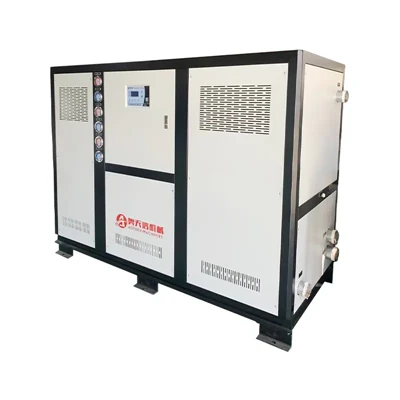
Whether you’re a small – scale operation or a large industrial facility, we’ve got the solutions for you. We understand that every business is unique, and we’re committed to providing personalized service. Don’t let your industrial cooling unit become a headache. Reach out to us to start a conversation about your needs and see how we can help you keep your cooling system running smoothly for years to come.
Industrial Air Cooler References:
- HVAC industry best practices and standards
- Experience from years of working in industrial cooling unit supply and maintenance
Kunshan Aotianxin Machinery Co., Ltd.
We’re well-known as one of the most reliable industrial cooling unit manufacturers in China. With abundant experience, our factory offer high quality industrial cooling unit made in China with low price. If you have any enquiry about quotation and free sample, please feel free to email us.
Address: 550 Shengguang Road, Bacheng Town, Kunshan City, Jiangsu Province
E-mail: 1516722561@qq.com
WebSite: https://www.atxks.com/
