In today’s modern world, smart technology has revolutionized numerous aspects of our lives, and the realm of temperature measurement is no exception. As a leading supplier of smart thermometers, I’ve witnessed firsthand the growing demand for these innovative devices across various sectors, including the crucial task of monitoring freezer temperatures. The accuracy of smart thermometers in measuring freezer temperatures is a topic of great significance, not only for consumers looking to preserve their food and medications but also for businesses in the food industry, healthcare providers, and scientific research facilities. In this blog, I’ll delve into the factors that affect the accuracy of smart thermometers in freezer settings and discuss why our products stand out in delivering precise temperature readings. Smart Thermometers
Understanding the Importance of Accurate Freezer Temperature Measurement
Before we dive into the accuracy of smart thermometers, let’s understand why maintaining the correct freezer temperature is so crucial. For households, a freezer serves as a storage unit for a wide range of food items, from frozen meats and vegetables to ice cream and leftovers. Keeping these items at the right temperature is essential to prevent spoilage, maintain food quality, and ensure food safety. For instance, most frozen foods should be stored at a temperature of 0°F (-18°C) or below to inhibit the growth of bacteria and other microorganisms that can cause foodborne illnesses.
In the commercial and industrial sectors, the stakes are even higher. Food manufacturers, distributors, and retailers rely on freezers to store large quantities of perishable goods. Any deviation from the recommended temperature can lead to significant financial losses due to product spoilage. Similarly, healthcare providers use freezers to store vaccines, medications, and biological samples, all of which require precise temperature control to maintain their efficacy and integrity.
The Challenges of Measuring Freezer Temperatures
Measuring the temperature inside a freezer presents several challenges that can impact the accuracy of thermometers. One of the primary challenges is the extreme cold environment. Freezers operate at temperatures well below freezing, which can affect the performance of sensors and other components in a thermometer. Additionally, the temperature inside a freezer can vary depending on factors such as the location of the thermometer, the frequency of door openings, and the amount of food stored inside.
For example, placing a thermometer near the freezer door may result in less accurate readings because the door is often opened and closed, allowing warm air to enter the freezer. This can cause temperature fluctuations in the immediate vicinity of the thermometer, leading to inconsistent readings. Similarly, a large amount of food stored in the freezer can act as a heat sink, absorbing and releasing heat differently than an empty freezer. This can also affect the temperature distribution inside the freezer and make it more challenging to obtain accurate readings.
Another challenge is the presence of frost and ice inside the freezer. Frost can accumulate on the surface of the thermometer, insulating it from the surrounding air and reducing its sensitivity. Ice can also form around the sensor, preventing it from making direct contact with the air and leading to inaccurate readings. To overcome these challenges, a smart thermometer needs to be designed with features that can withstand extreme cold, minimize the impact of temperature fluctuations, and prevent frost and ice buildup.
How Our Smart Thermometers Ensure Accuracy
As a supplier of smart thermometers, we’ve invested significant time and resources in developing products that are specifically designed to overcome the challenges of measuring freezer temperatures. Our smart thermometers are equipped with high-precision sensors that are capable of measuring temperatures with great accuracy, even in extreme cold environments. These sensors are carefully calibrated to ensure that they provide reliable and consistent readings over a wide range of temperatures.
In addition to our high-precision sensors, our smart thermometers also feature advanced algorithms that can compensate for temperature fluctuations and other environmental factors. These algorithms analyze the data collected by the sensors in real-time and adjust the readings accordingly to provide more accurate temperature measurements. For example, if the thermometer detects a sudden increase in temperature due to a door opening, the algorithm can take this into account and provide a more representative average temperature reading.
To prevent frost and ice buildup, our smart thermometers are designed with a special anti-frost coating that helps to repel moisture and prevent the formation of ice. This coating is applied to the surface of the thermometer, including the sensor, to ensure that it remains clean and dry. Additionally, our thermometers are equipped with a built-in heating element that can be used to melt any frost or ice that may accumulate on the sensor. This feature helps to maintain the accuracy of the thermometer over time and ensures that it continues to provide reliable readings.
Real-World Testing and Validation
To ensure the accuracy of our smart thermometers, we conduct extensive real-world testing in a variety of freezer environments. Our testing process involves comparing the readings of our thermometers with those of calibrated reference thermometers to verify their accuracy. We also test our thermometers under different conditions, such as varying temperature ranges, door opening frequencies, and food loads, to ensure that they perform consistently in real-world scenarios.
In addition to our internal testing, we also participate in independent third-party testing and validation programs. These programs provide an objective assessment of the performance of our smart thermometers and help to ensure that they meet the highest standards of accuracy and reliability. By subjecting our products to rigorous testing and validation, we can provide our customers with the confidence that our smart thermometers will deliver accurate and consistent temperature measurements in their freezer applications.
The Benefits of Using Our Smart Thermometers
There are several benefits to using our smart thermometers for measuring freezer temperatures. Firstly, the accuracy of our thermometers ensures that you can maintain the correct temperature in your freezer, which is essential for preserving the quality and safety of your food and other stored items. By keeping a close eye on the temperature, you can detect any potential issues early on and take corrective action before they lead to spoilage or other problems.
Secondly, our smart thermometers are equipped with advanced features that make them easy to use and monitor. Many of our thermometers can be connected to a smartphone or other mobile device via Wi-Fi or Bluetooth, allowing you to access real-time temperature readings and receive alerts if the temperature goes outside of the desired range. This remote monitoring capability is especially useful for businesses and healthcare providers who need to monitor multiple freezers simultaneously.
Finally, our smart thermometers are designed to be durable and reliable, with a long lifespan and minimal maintenance requirements. This means that you can trust our products to provide accurate temperature measurements for years to come, without having to worry about frequent replacements or repairs.
Conclusion
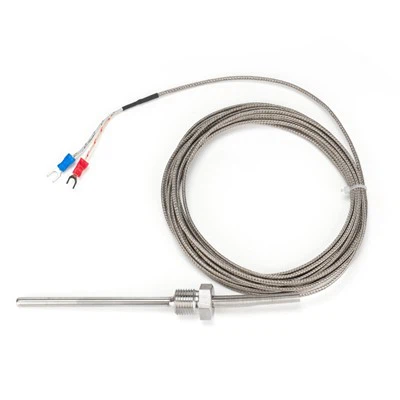
In conclusion, the accuracy of smart thermometers in measuring freezer temperatures is of utmost importance for ensuring the quality and safety of stored items. While there are several challenges associated with measuring freezer temperatures, our smart thermometers are specifically designed to overcome these challenges and provide accurate and reliable readings. By using high-precision sensors, advanced algorithms, and innovative features, we can offer our customers a solution that meets their needs and exceeds their expectations.
Smart Thermometers If you’re in the market for a smart thermometer to monitor the temperature of your freezer, we invite you to contact us to learn more about our products and how they can benefit your business or household. Our team of experts is available to answer any questions you may have and help you select the right thermometer for your specific application.
References
- International Institute of Refrigeration. (2018). Temperature Control in Cold Storage Facilities.
- World Health Organization. (2017). Guidelines on cold chain management for vaccines.
- American Frozen Food Institute. (2019). Best Practices for Frozen Food Storage.
Jiangsu Zhaolong Electric Co., Ltd.
We’re well-known as one of the leading smart thermometers manufacturers and suppliers in China, featured by quality products and low price. Please feel free to buy customized smart thermometers made in China here from our factory. Contact us for more details.
Address: No. 80, Zhangguo Chang’an Road, Dainan Town, Xinghua City, Jiangsu Province
E-mail: 180193845@qq.com
WebSite: https://www.cnzhaolong.com/
