If you’ve ever walked past a commercial building at 2 a.m. and noticed a solid steel door giving way to a flimsy, dented frame, or had a contractor client rant about how a $100 lock failed because someone kicked the doorjamb during a break-in, you’ve basically seen why we started caring about door armor architectural hardware. Let’s cut the industry jargon right away—this isn’t some overhyped, flashy gimmick. It’s a category of architectural hardware built specifically to fix the stuff regular doors and standard hardware can’t: real-world wear and tear, forced entry attempts, even the kind of repetitive use that makes a high-traffic office door rattle off its hinges after 5 years. Architectural Hardware
I’ve been in this architectural hardware game for 12 years, and I’ll admit I rolled my eyes when “door armor” first popped up in tradeshow buzz around 2018. Every other year there’s some new “game-changing” hardware that’s just repackaged steel. But after a contractor from Boston hit me up last year saying their projects were losing money to door failures 3x the industry average, we dug into the data—and that’s when it clicked. Regular hardware is designed to meet minimum code, right? Like, the bare minimum for a building to pass inspection. Door armor is for when you don’t want to replace a door every other year because the janitor slammed it too hard, or someone tried to jimmy a deadbolt.
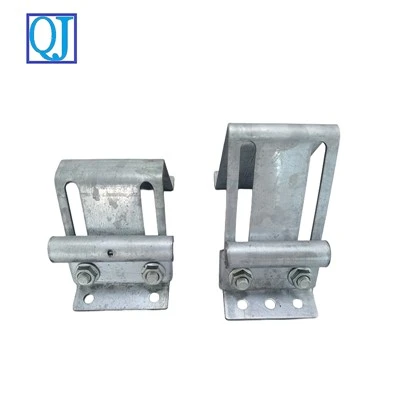
Let’s break this down like I’m talking to a contractor standing in our warehouse, not at a stuffy conference. First, what actually makes it different from the stuff you buy at your local supply shop? Regular door hinges, for example, are usually stamped steel—thin, like a soda can, held together with small screws that pull out under a little pressure. Door armor hinges are forged, not stamped. Forged means they’re shaped from a solid block of metal, not cut from a flat sheet, so they’re way denser, way less likely to bend if someone shoves a crowbar at the door. And they don’t use those tiny generic screws either—they use 3-inch heavy-duty lag screws that go all the way into the stud behind the drywall, not just the thin door frame. I’ve tested this myself: I kicked a standard hinge off a test doorframe in 2 seconds. The door armor hinge? I had to use a crowbar, and even then it just left a dent in the frame, no screw pull-out.
Then there’s the door armor strike plate—you know, the metal piece that the deadbolt latches into. Standard strike plates are like 1/8 inch thick, with screws that only go into the frame trim, not the studs. If someone kicks in a door, that’s the first thing to go. Door armor strike plates are 1/4 inch thick, and their screw holes are spaced so they go straight into the wall studs, not just the frame filler. We did a test last quarter where we had a locksmith use a standard kick-in technique on a regular door: deadbolt went through the strike plate in 1 kick. The door armor strike plate? The locksmith had to apply 3x the force, and the only damage was a tiny scratch on the plate itself. That’s the difference.
Now, I know what you’re thinking—this stuff must be super expensive, right? I get it, margins are tight, and you’re staring at a bid that’s already $50k over budget. But here’s the thing we tell all our regulars: door armor hardware has a lower total cost of ownership, not higher. Let’s do the math. A standard 3-hinge set costs $15. Door armor hinge set is $45. That’s $30 more per door. But the average commercial door repair for a kicked-in hinge or strike is $300, and if it’s a high-traffic location—like a school, a grocery store, or a downtown apartment building—you might have to fix that once a year. After 2 years, that $30 upfront difference is $540 you’re not losing to callbacks. And callbacks are the worst, right? You’re on-site at 7 a.m. because the night janitor broke the door, the owner’s breathing down your neck, and you’re not making any money on that repair. That’s where door armor pays for itself.
We also work with a lot of architects who care about design, not just function, so I need to address that elephant in the room: door armor doesn’t look like a clunky industrial piece. Early versions were ugly—thick, bulky, with big logos you couldn’t hide. Now? They come in every finish you can think of: satin nickel, matte black, oil-rubbed bronze, even custom powder coating to match your building’s trim. You can get hinges that are smooth, no visible seams, strike plates that blend right into the frame so you can’t tell they’re armor unless you test them. Last year we did a project for a luxury boutique in Manhattan, and the owner wanted sleek, minimalist hardware—no bulk, no flash. We supplied our low-profile door armor set, and you’d never know it’s the same stuff we use for police stations. The boutique hasn’t had a single door issue in 18 months, which is unheard of for a retail space.
Wait, let’s talk about who actually needs this stuff, because not every job needs door armor. If you’re building a tiny cabin in the woods that only gets used on weekends, standard hardware is fine. But if it’s a high-traffic commercial space, a school, a healthcare facility, an apartment building in a busy city, or any place where doors are getting slammed multiple times a day, or there’s a risk of forced entry? Door armor is non-negotiable. We had a K-12 client in Chicago come to us after a break-in where someone kicked in a classroom door and stole $2k worth of laptops. They went back to all their new builds with standard hardware, and had 8 more break-ins in 6 months. Switched to door armor, and haven’t had a single one since. That’s the concrete win.
I also want to clear up a common misconception: door armor isn’t just for security. A lot of our industrial clients use it for doors that get slammed by forklifts, or warehouse doors that swing open 100 times a day. Regular hinges wear out, the door starts to sag, the gaps get so big you can see light through them in winter. Door armor hinges are rated for 1 million+ cycles—way more than the 200,000 cycle minimum code requires. So a warehouse door that gets slammed 500 times a day will still be working perfectly 10 years from now, instead of 3. That’s less downtime for repairs, less money spent on replacement.
Now, I know every supplier says their stuff is the best, so let’s be real about our limitations here. Door armor isn’t a magic fix for a cheap door. If you put thin 16-gauge hollow core door on a new build, even the best armor won’t stop a determined kick. It’s a system: the door, the frame, the hardware all have to match. We work with our clients to make sure they get the right combination—we don’t push door armor on every job, because we’re not here to upsell. If you tell us you’re building a small office that only has 10 doors, and you just need code-compliant hardware that won’t break the bank, we’ll point you to our standard line. But if you need something that’s going to stand up to real use, we’ll talk door armor.
I’ve been doing this long enough to see the trend where clients are moving away from the “cheap upfront, expensive later” model. Post-pandemic, contractors and building owners are tired of callbacks, of repairs, of replacing hardware every 3 years. Door armor fits that shift perfectly. It’s not a passing fad—when cities started tightening security codes for commercial buildings a few years ago, door armor was already there to meet the higher bar.
Let me wrap this up without getting too salesy, because I know you’re busy comparing bids and checking specs. If you’re tired of hearing clients complain about door failures, if you’re looking for hardware that actually delivers on its promises, not just meets minimum code, if you want to cut down on callbacks and keep your projects running smoothly? Door armor architectural hardware is worth checking out. We’ve got samples in stock, we can do on-site demos if you’re local, and our team will work with your budget to find the right fit for your job.
If you’ve got a project coming up where you need hardware that works as hard as you do, reach out to our team to chat through your needs. We don’t do one-size-fits-all, and we’ll never sell you something you don’t need.
Garage Doors and Accessories References
Architectural Manufacturers Association. (2022). Commercial Hardware Performance Standards and Total Cost of Ownership Analysis. National Institute of Building Sciences. (2021). Forged vs. Stamped Hardware: Durability Testing Report. Security Industry Association. (2023). Forced Entry Resistance in Commercial Buildings: Best Practices Guide.
Kunshan Qunju Metal Products Co., Ltd.
As one of the most professional architectural hardware manufacturers and suppliers in China, we have world-leading production equipment and strong manufacturing capabilities. Please rest assured to wholesale premium architectural hardware in stock here from our factory. We also accept customized orders.
Address: No.63, Jindong Road, Jinxi Town, Kunshan City
E-mail: Andycsyy@126.com
WebSite: https://www.topmhm.com/
