If you’re working in medium-voltage (MV) switchgear, you know SF6 isn’t just some random gas we throw around—it’s the workhorse that keeps our switchgear reliable, arc-free, and safe in every substation, industrial plant, or utility grid we serve. But here’s the thing I’ve seen way too often: when old switchgear gets upgraded or decommissioned, teams just pump that SF6 out into thin air like it’s nothing. No wonder everyone’s panicking about its global warming potential—it’s like tossing a ton of CO2 equivalent out for every pound of the stuff. As an MV switchgear supplier that’s been in this game for over a decade, I’m here to walk you through exactly how we (and by extension, you) should recycle SF6 from that old gear, because it’s not just good for the planet—it’s way cheaper than buying brand new gas every time. Medium Voltage Switchgear
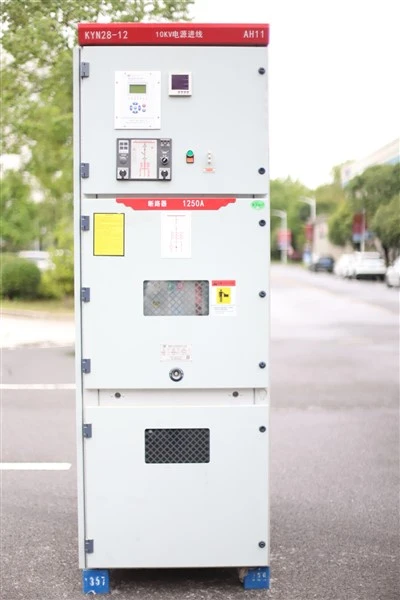
Let’s start with why this matters so much. SF6 has a GWP (global warming potential) that’s 23,500 times higher than CO2 over a 100-year period. Seriously, that number’s insane. The EPA estimates that 1% of all SF6 ever produced is already in the atmosphere, and it’s been hanging around for 3,200 years. For MV switchgear specifically, SF6 fills the interrupter chambers and insulation spaces—so without it, your gear won’t stop a fault or keep lines from shorting out. The problem is that most people only think about SF6 when it leaks, but when you’re retiring a unit, the gas inside is usually still 90% pure if you handle it right. Waste that, and you’re not just hurting the planet—you’re burning through a costly resource. I’ve heard customers drop $500 to $1,000 on new SF6 just for one MV switchgear bay, and that’s money that could go straight back to their bottom line if they recycle instead.
Now, let’s get into the actual process. I’m gonna break this down step by step, the way we train our own field techs, no fancy jargon that makes your eyes glaze over. First thing: prep. You can’t just grab a hose and start pumping gas without doing a few checks. First, shut off all the power to the switchgear—obviously, safety first, always. Then, put on your PPE: nitrile gloves, safety goggles, and a respirator if you’re working in a tight space. SF6 isn’t toxic, but if it’s been contaminated with moisture or breakdown products from arcing, those can be bad for your lungs. Next, document everything: the switchgear serial number, how much gas is inside, its pressure reading, and any signs of wear you see. This isn’t just red tape—if the gas has been in a unit that had a fault, you need to know that so you can treat it properly later.
Second step: evacuation. This is where we connect the right equipment to the switchgear’s gas valves. You’ll need a recovery unit, not just a vacuum pump—recovery units pull the gas out and store it in a certified cylinder, while vacuum pumps just pull empty space. Make sure your cylinder is labeled correctly for SF6, and that it’s never been used for any other gas (contamination from other gases is the #1 reason recycled SF6 gets wasted). Open the valves slowly, let the unit pull the gas out at a steady pressure—don’t rush this, because high flow can push moisture or breakdown products from the switchgear into the cylinder. Once the pressure drops to near zero, run the vacuum for another 15 minutes to make sure you get every last bit of gas out. I can’t tell you how many times I’ve seen a team skip this step, then end up short on gas when they go to recharge a new unit.
Third step: cleaning and purification. This is the part that makes recycled SF6 useful again. The gas you just pulled out isn’t pure—it has moisture, air, and maybe some toxic byproducts from arcing, like SF4 or HF. So you send it to a certified purification facility, not some guy in a garage. The process there usually goes like this: first, they pass the gas through filters to catch solid particles. Then, a dryer unit strips out moisture down to less than 10 parts per million (which is the standard for MV switchgear—any higher and it can cause insulation issues). Next, they separate out air and other gases using distillation or membrane technology. Finally, they test it for purity and contaminants to make sure it meets IEC 60376 standards, which is the global benchmark for SF6 used in electrical equipment. Our team sends all recovered SF6 to a facility that’s ISO 14001 certified, so we know it’s not just being dumped or mistreated.
Fourth step: storage and reuse. Once the gas is purified, it goes back into a clean, certified cylinder, labeled clearly with the purity level, moisture content, and date of processing. Now, here’s a pro tip for us as MV switchgear suppliers: we keep a stock of purified SF6 on hand for service calls and new builds. If a customer is reconditioning an old switchgear unit, we can pull out the old gas, send it for purification, and use it to recharge the same unit—cuts their gas cost by 70% at least. Just make sure when you reuse it, you check the cylinder’s expiration date, and that it’s been stored in a cool, dry place away from direct sunlight. Never mix purified gas with new gas unless you test it first, because even small impurities can mess up the insulation in MV gear.
Wait, I should address a common myth here: “Recycling is too expensive and takes too long.” Yeah, in the old days, that was true—you had to send the gas cross-country, wait weeks, and the cost was almost as much as new. But now, with local purification facilities popping up all over, and recovery units that are way more affordable, it’s a no-brainer. We recently worked with a utility that retired 20 MV switchgear bays, and we recovered 120 pounds of SF6 from them. Instead of buying new, we purified it and reused it for 15 new bays they were installing—saved them over $10,000, and kept 2.8 million tons of CO2 equivalent out of the atmosphere. That’s not just a win for their budget, that’s a win for everyone.
But let’s talk about mistakes to avoid, because I’ve made (or watched my team make) every single one. First, don’t use uncertified recovery cylinders. I once saw a guy use an old propane tank to store SF6—ended up with a contaminated gas that had to be thrown away, cost him $800, and delayed his project by a week. Second, don’t skip the safety checks. SF6 is denser than air, so if you’re working in a confined space, it can settle low and displace oxygen, leading to dizziness or worse. Always test the air in the space before starting work. Third, don’t try to purify the gas yourself at the site. You need lab-grade equipment to get the moisture and contaminants low enough—doing it in your garage will just give you dirty gas that’s useless for MV switchgear. Fourth, don’t forget to document everything. Utilities and regulators now require records of SF6 handling, so if you get audited, you’ll need to show exactly how much you recovered, processed, and reused.
As an MV switchgear supplier, we’re not just selling gear that uses SF6—we’re selling solutions that are sustainable. That’s why we now include free SF6 recovery assessments with every old unit we take back for recycling or trade-in. We’ll send a tech out to your site, check your old switchgear, calculate how much gas is inside, and give you a quote for recovery and purification that’s way cheaper than buying new. We also work with local purification partners so we can turn around your gas in 3-5 days, no long waits. And if you’re building new MV switchgear, we always ask if you want to use recycled SF6—we can adjust the quote to save you even more money, and help you hit your ESG goals.
At the end of the day, SF6 doesn’t have to be a dirty word. It’s a necessary gas for MV switchgear, but we don’t have to treat it like a disposable commodity. Every pound we recover and reuse is a pound that doesn’t go into the atmosphere, every dollar we save is money we can put back into our businesses, and every step we take to do it right is a step toward a greener grid. If you’re working with old MV switchgear, or you just want to cut your gas costs, I’d love to connect with you to chat through your specific needs. We can walk through the process, answer any questions, and help you get the most out of your SF6 without harming the planet.

When you’re handling SF6 from MV switchgear, it’s not just a technical task—it’s a responsibility. Do it right, and you’ll save money, stay compliant, and do good. Don’t do it right, and you’re wasting a critical resource and hurting the environment. It’s that simple. If you’re ready to talk through your SF6 recycling needs, reach out—we’re here to help.
Low Voltage Switchgear References
- International Electrotechnical Commission (IEC). 60376:2019, Specification for sulphur hexafluoride (SF6) for electrical equipment.
- U.S. Environmental Protection Agency (EPA). SF6: An Overview of Properties, Uses, and Emissions.
- IEEE Guide for Gas Handling, Recovery, and Recycling for SF6-Insulated Equipment.
Worldwide Electric Stock Co., Ltd.
As one of the most professional medium voltage switchgear manufacturers and suppliers in China, we have world-leading production equipment and strong manufacturing capabilities. Please feel free to buy advanced medium voltage switchgear at competitive price from our factory.
Address: No. 1 Wanzhou Road, Xiangyang City, Hubei Province, China
E-mail: sales@worldwide-electric.com.cn
WebSite: https://www.wwegroup-electric.com/
