If you’re reading this, you’re probably either a procurement manager at a brand that’s tired of playing “quote roulette” for PCR packaging, or a startup founder who just realized generic plastic clamshells are tanking your product’s perceived value. I get it—I’m on the other side of the desk, too: I run a small PCR packaging supplier, and I’ve spent 10 years fielding calls from people who send a 2-sentence email asking for a price and then wonder why I send a quote that’s $0.15 higher than the one they got from that random overseas supplier they found on Alibaba. PCR Packaging

Back when I started this gig, I’d waste half my week chasing down missing details from quote requests, or sending a quote that was totally wrong because someone forgot to specify if they needed tamper-evident seals, or if their product was a 1-oz lip balm or a 1-lb protein powder tub. I saw so many folks burn out because they thought PCR packaging was just “recyclable plastic” and didn’t do the homework to get a quote that actually fits their needs. Now, after years of refining the process, I’m breaking down exactly how to lock in a PCR packaging quote that’s accurate, fair, and doesn’t leave you scrambling to fix mistakes later. Let’s dive in.
First, let’s get one thing straight: PCR packaging isn’t a one-size-fits-all product. PCR stands for Post-Consumer Recycled, which means the plastic used in your container is made from stuff that’s already been used by regular people—like soda bottles, water jugs, or milk crates. The quality, cost, and availability of that PCR material depend on a ton of factors, so a quote without context is just a guess. Let’s start with the basics you can’t skip before you even hit “send” on that quote request.
First up: what’s your product, exactly? No, “a skincare jar” doesn’t cut it. Is it a solid, like a deodorant stick? A liquid, like a vitamin tincture? A fragile item, like a set of glass vials? The product’s size, weight, fragility, and even how you’re filling it will dictate everything—from the material thickness we need to the type of seal or insert required. Last month, a client sent me a request for a 2-oz PCR plastic bottle, no other details. I quoted them a standard 20mm neck, but when they followed up, they said they needed a 24mm neck because their existing pump dispenser was for a different brand. That little mix-up meant I had to redo the entire tooling line, and their quote was delayed two weeks. Save yourself the headache: jot down every spec you have for your product before you start.
Next: your minimum order quantity (MOQ). This is a huge one, and it’s something I see new brands mess up all the time. PCR materials aren’t like virgin plastic—we can’t just grab a small bag of pellets and make 500 containers. The reprocessing facilities that turn old plastic into PCR stock have minimum run sizes, and our injection molding machines (the ones that make the actual containers) also have MOQs. If you need 1,000 units, that’s way different than 100,000. Some suppliers will quote you a tiny MOQ at a crazy high price, but that’s because they’re marking up the small run to cover their costs. If you can swing a higher MOQ, it’ll almost always be cheaper per unit. I’ve had clients who thought 5,000 was all they needed, only to find out the PCR line we use has a 20,000 unit MOQ—and they ended up doubling their order because the price per unit was too good to pass up. Be honest about your MOQ; it’s the biggest variable in a quote’s bottom line.
Then, what kind of PCR content do you want? Not all PCR is created equal. Some brands want 10% PCR, some want 50%, some want 100%—that’s the percentage of post-consumer recycled material in the plastic. The higher the PCR content, the more expensive the material, because processing that used plastic is more labor-intensive and has higher quality checks. Last quarter, a client wanted a 100% PCR jar for their plant-based supplement, but they were shocked when the quote was 20% higher than a 30% PCR version. We explained that 100% PCR plastic is often more brittle, so we have to adjust the molding process to make sure it doesn’t crack during shipping, which adds cost. If you have a sustainability claim on your packaging, you’ll need to specify the exact PCR percentage you need—don’t just say “recyclable” and leave it vague. That’s how you end up with a quote that doesn’t align with your brand’s values.
Now, let’s talk about the non-negotiable add-ons that will make or break your quote. These are the things most people forget to include, and they’re the reason a $0.20 per unit jar suddenly becomes $0.35. First: printing and branding. Do you need a label, or do you want the design molded directly into the plastic (that’s called in-mold labeling, or IML)? IML is more durable than a paper label, but it adds cost. Do you need a tamper-evident seal around the lid? That’s a must for food or pharmaceutical products, and it’s another line item. Even something as simple as a custom color—white is cheap, but a custom Pantone match? That adds tooling time, which adds cost. One client told me they didn’t need printing, so they asked for the lowest quote, only to realize they had to pay extra to add a batch code for their regulatory compliance. Those small, “no big deal” add-ons are often the ones that throw off the entire quote. Be upfront about every custom touch you want, even if it feels trivial.
Another thing: shipping and delivery. Quotes don’t usually include shipping, but that doesn’t mean you should ignore it. If you’re in the US, shipping from a domestic supplier will be faster and cheaper than shipping from overseas, but sometimes the overseas quote is lower until you add shipping, tariffs, and import fees. I had a client who got a quote from a Chinese supplier for $0.10 per unit, but when they factored in shipping, tariffs, and a 8-week wait time, their total cost was almost the same as my domestic quote, which would arrive in 2 weeks. When you ask for a quote, ask for a breakdown: what’s the per-unit cost, what’s the tooling cost (if you’re doing a custom design), and if we’re shipping to you, what’s the freight cost. If you’re planning to pick up the order, that’s great, but make sure the quote says FOB our warehouse so there’s no confusion later.
Wait, also—tooling. If you’re using a standard container design, tooling is already done, so that cost is included in the per-unit price. But if you want a custom shape, like a jar with a unique curved edge, we have to build a new mold for it. Tooling cost can be anywhere from a few hundred dollars to tens of thousands, depending on the complexity. A lot of new brands don’t realize they have to pay for tooling upfront, and they’re shocked when the quote has a $5,000 line item for the mold. Be clear if you want a standard or custom design; if you’re open to standard, you can skip that big tooling cost and get a much lower per-unit price.
Now, let’s talk about common mistakes people make when requesting quotes. First, sending a generic email that says “hi, I need a quote for PCR packaging” with no other details. That’s not helpful. I get 20 of those a week, and I can’t send a useful quote without more info. Second, comparing quotes from suppliers that aren’t using the same specs. One brand I worked with got three quotes: one for a 30% PCR jar with a paper label, one for a 100% PCR jar with IML, and one for a standard virgin plastic jar. They thought the 100% PCR one was overpriced, but once we aligned all the specs, the price difference was only 10%—which is way lower than they expected. Don’t just look at the bottom line; compare the actual details of the quote. Third, not asking about lead times. If you need the packaging in 2 weeks, you can’t wait 8 weeks for an overseas supplier’s order. I always add a lead time to every quote I send, and if someone needs it faster, I can adjust for a small rush fee—just ask.
Once you’ve put all that together, what does a good quote request look like? Let me give you an example. “Hi, I’m Mia at Green Skincare Co. We need 25,000 2-oz PCR plastic jars for our facial serums. We want 50% PCR content, natural beige color, in-mold labeling for our logo, and a tamper-evident lid seal. We need the order shipped to our warehouse in Portland, OR, and we’d like delivery in 4 weeks. Can you send me a breakdown of per-unit cost, tooling (if needed), and freight?” That’s it. No confusion, all the details I need to send an accurate quote.
Now, as someone who’s on the supplier side, I want you to know that we’re not trying to rip you off. We know PCR packaging is a big investment, and we want to help you make a product that’s both sustainable and profitable. That’s why we’re transparent about costs—no hidden fees, no surprise markups. If you have a tight budget, we can work with you: maybe a lower PCR percentage, a standard design instead of custom, no IML. But we can’t do that if you don’t tell us what you’re working with.
If you’re ready to get a real PCR packaging quote, you don’t have to guess anymore. Just pull together the specs we talked about: your product details, MOQ, PCR percentage, any add-ons (printing, seals, etc.), and your delivery needs. Then reach out, and we’ll walk you through every part of the quote so you know exactly what you’re paying for. No jargon, no fine print, just a fair price for packaging that works for your brand.
Wait, one last thing: don’t forget to ask about quality. PCR plastic can sometimes have small color variations from batch to batch, and that’s normal, but a good supplier will test their PCR material to make sure it’s food-safe, meets regulatory standards, and doesn’t break easily. When you get a quote, ask for sample containers so you can check the quality before you commit. A lot of suppliers will send free samples, just ask—don’t order 25,000 units without seeing what the plastic looks like first.
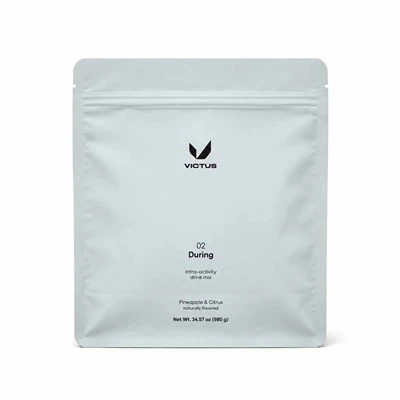
At the end of the day, getting a PCR packaging quote doesn’t have to be a frustrating process. It’s just about being clear and specific about what you need. And if you’re not sure where to start, that’s okay—we can help you figure out the best specs for your product, your budget, and your sustainability goals. All you have to do is reach out to discuss your needs, and we’ll put together a quote that makes sense for you. No more guesswork, no more surprises, just packaging that fits.
Tea Packaging Bags References:
- Post-Consumer Recycled (PCR) Packaging: A Guide to Benefits and Considerations, Sustainable Packaging Coalition, 2023
- Injection Molding MOQ and Cost Factors, Plastics Industry Association, 2022
- PCR Plastic Quality Standards for Consumer Packaging, Food and Drug Administration, 2021
- Comparing Domestic vs. Overseas Packaging Suppliers, Small Business Administration, 2023
Shandong Lepu Digital Printing Co., Ltd.
Shandong Lepu Digital Printing Co., Ltd. is one of the most professional pcr packaging manufacturers and suppliers in China, specialized in providing high quality customized service. We warmly welcome you to buy high-grade pcr packaging made in China here from our factory.
Address: 500 meters north of the intersection of Huaihai 2nd Road and Xiwu Road, Junan County, Linyi City, Shandong Province
E-mail: sales01@lepupac.com
WebSite: https://www.lepupouch.com/
