If you’re running a beverage production facility, your water heater isn’t just a utility—it’s the backbone of consistent product quality, efficiency, and cost control. As a commercial water heater supplier who’s worked with breweries, craft soda makers, and iced tea producers for over a decade, I’ve seen firsthand how choosing the wrong system can derail a production line, raise utility bills, and even ruin batches of your best-selling drinks. Too many facility owners default to residential-style units or general-purpose commercial models that don’t account for the unique demands of beverage production, so I’m breaking down the critical factors to consider when picking the right system for your operation. Commercial Water Heater
First, let’s start with the non-negotiable: understanding your facility’s water load profile. Beverage production isn’t a one-and-done task—you might be pasteurizing juice, cleaning kegs, mixing hot syrup, or sanitizing equipment in batches that vary throughout the day. A small craft brewery, for example, might need 1,200 gallons of water heated to 180°F for keg cleaning every hour, plus hot water for brewing, while a large iced tea manufacturer might run a continuous line requiring 5,000 gallons per hour at 160°F for blending. If you size your water heater based on average daily use instead of peak hourly demand, you’ll end up with a unit that struggles to keep up during rush hours, leading to production delays or diluted, improperly pasteurized product. That’s why I always recommend calculating your peak demand with a formula that adds up all simultaneous hot water uses: sum the flow rates (in gallons per minute, GPM) of every piece of equipment that needs hot water at the same time, then add a 15% safety buffer. For a beverage facility, that safety buffer isn’t overkill—it’s the difference between a batch that’s on time and one that’s wasted.
Next, water quality is make-or-break for both your heater and your product. Most commercial water heaters work fine for general space heating or basic cleaning, but beverage production requires water that’s low in hardness, minerals, and contaminants. Hard water (high in calcium and magnesium) will leave scale inside your heater’s tank or heat exchanger, reducing efficiency by up to 30% over time and leading to frequent, costly breakdowns. Even small amounts of iron or manganese can leave off-flavors in your syrup, soda, or beer that turn customers away. That’s why so many beverage facilities pair their water heater with a dedicated water treatment system—softeners, reverse osmosis units, or carbon filters tailored to their specific source water. As a supplier, I always advise choosing a heater with a corrosion-resistant tank (like glass-lined steel or stainless steel) that can stand up to minor mineral buildup even if your treatment system needs occasional maintenance. Stainless steel heaters are the best pick for craft beverage operations that prioritize long product runs and easy cleaning, since they don’t leach metals that could taint your drink’s taste.
Then, choosing the right type of water heater for your facility’s layout and energy goals. There are three main categories that work for beverage production, and each has its own sweet spot. First, storage tank water heaters: these are the most common, with insulated tanks that hold a set amount of hot water ready for use. They’re affordable upfront and great for facilities with steady, predictable demand, like a bottling plant that runs 12-hour shifts with consistent hot water use. But they lose energy around the clock to standby heat loss—up to 10% of their stored heat per day—so if you have intermittent demand, like a small distillery that only uses hot water during three 2-hour production windows a day, they might not be the most cost-effective.
Second, tankless (on-demand) water heaters: these heat water only as you need it, eliminating standby heat loss and reducing energy use by 20-30% compared to storage tanks. For beverage facilities with variable, non-continuous demand—like a craft soda maker that cleans equipment in batches and heats syrup only during production runs—tankless units can cut utility bills significantly. But they have a higher upfront cost, and you’ll need to make sure your model can deliver enough GPM at the required temperature. I’ve seen too many tankless units installed for beverage use that can’t keep up with simultaneous keg cleaning and syrup mixing, leading to cold water mid-batch. The fix here is to size tankless units for your peak GPM, not just your average, and consider a modulating model that adjusts heat output based on how much water you’re using at any time.
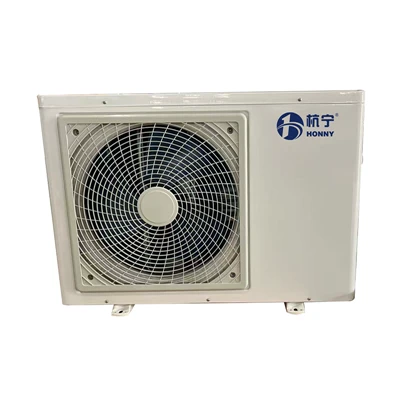
Third, heat pump water heaters (HPWHs): these are the most energy-efficient option on the market today, moving heat from the air or ground to warm water instead of burning fuel directly. For beverage facilities that want to lower their carbon footprint and long-term energy costs, HPWHs are a game-changer—they use 50-75% less energy than traditional gas or electric water heaters. The catch is they work best in spaces with consistent ambient temperatures (between 40°F and 90°F), so if your facility is in a cold climate without a heated mechanical room, you might need to add supplemental heating to maintain water temperature. HPWHs are especially popular with large beverage producers looking to meet sustainability goals without sacrificing performance, and as a supplier, we’ve installed dozens of them at regional juice and coffee beverage plants that boast 40% lower annual water heating costs.
Another critical factor is compliance with industry regulations. Beverage production is heavily regulated by food and safety agencies, so your water heater can’t just be efficient—it has to meet strict hygiene standards. The FDA’s Food Code requires that equipment contact water used for beverage production be heated to at least 180°F for sanitizing, and many local health departments have specific guidelines for commercial water heaters that service food and beverage facilities. That means your heater should be easy to clean, with no hard-to-reach crevices where bacteria can grow, and equipped with accurate temperature sensors that let you monitor and adjust water temperature to meet regulatory requirements. Some modern models even have digital tracking systems that log water temperature and usage, which is a huge help during health inspections. I always recommend working with a supplier who understands these regulations, because a one-size-fits-all heater might not pass a routine audit, leading to fines or production shutdowns.
Don’t overlook installation and ongoing maintenance, either. Even the best water heater will underperform if it’s installed incorrectly, or if you skip regular maintenance. For beverage facilities, installation needs to accommodate your production line’s layout—many of our clients prefer to have their water heater located near their cleaning and mixing stations to reduce hot water piping loss, which can waste 10-15% of heat before water even reaches the equipment. Ongoing maintenance is just as important: scale buildup, filter changes, and temperature calibrations need to be done quarterly, not annually like in a residential home. That’s why as a supplier, we offer tailored maintenance plans for beverage facilities, with service technicians who specialize in commercial water heaters for food and beverage operations, not general plumbing repair. We also help clients set up automated reminders for filter changes and inspections, so no one misses a task that could lead to a breakdown mid-batch.
I also want to mention long-term operational costs, not just the upfront price tag. When comparing models, look at the total cost of ownership (TCO) over 10-15 years, the average lifespan of a commercial water heater. Storage tank units might have a lower upfront cost, but if you’re using them for high-demand beverage production, their energy bills will add up. Tankless and heat pump units cost more upfront but have much lower energy use, often paying for themselves in 3-5 years through utility savings. Also, consider the cost of replacement parts: some budget models have proprietary parts that are expensive to replace, while reputable commercial models use standard, widely available parts that keep maintenance costs low. For example, our glass-lined stainless steel heaters have a 15-year warranty on the tank, compared to 5 years for many basic models, which means you’ll avoid a major replacement cost halfway through your facility’s lifecycle.
Let’s wrap this up with a quick checklist to make sure you’re on the right track: calculate your peak hourly hot water demand (with 15% buffer), test your source water quality, choose a heater type that matches your facility’s demand profile, ensure it meets food safety regulations, plan for proper installation and ongoing maintenance, and compare total cost of ownership, not just upfront price. Choosing the right commercial water heater isn’t a decision you should rush—skimping on research can lead to costly production delays, ruined batches, and higher long-term costs. If you’re ready to walk through your facility’s specific needs, or have questions about sizing, energy efficiency, or compliance, I’m here to help. Reach out to discuss your beverage production water heater needs today.
Commercial Water Heater References
- Food and Drug Administration. Food Code 2022: Water Requirements for Food Establishments. U.S. Department of Health and Human Services, 2022.
- Department of Energy. Commercial Water Heater Guidelines: Energy Efficiency for Food and Beverage Operations. U.S. Department of Energy, 2023.
- International Association of Plumbing and Mechanical Officials. Commercial Water Heating Standards for Food Processing Facilities. IAPMO, 2021.
Hangzhou Honny Heat Energy Technology Co., Ltd.
We are one of the most experienced commercial water heater manufacturers and suppliers in China. With a professional production team, we are able to meet the needs of the majority of our customers. Please feel free to wholesale customized commercial water heater from our factory. Also, quotation is available.
Address: Dingshan Village, Wenyan Subdistrict, Xiaoshan District, Hangzhou City, Zhejiang Province
E-mail: 524435406@qq.com
WebSite: https://www.hnrnkj.com/
