As someone who’s spent the last decade shipping aluminium foil waterproof tape to DIYers, small contractors, and weekend warriors alike, I’ve heard every myth about this material: “It’s just shiny sticky foil—how durable can it be?” “It’ll peel off in a week if I use it for my roof!” “I tried it for my gutter leak and it failed.” Today, I’m pulling back the curtain on what our team at the tape manufacturing side actually sees when our product lands in the hands of people working on their own spaces. Yes, aluminium foil waterproof tape works for DIY projects—but only when you use it right. And no, it’s not a one-size-fits-all fix for every leak or repair. Let’s break this down, based on real-world use cases, not marketing hype, and why I (as a supplier) always encourage DIYers to match the tape to the job. Aluminium Foil Waterproof Tape
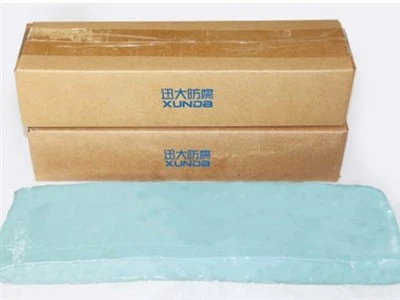
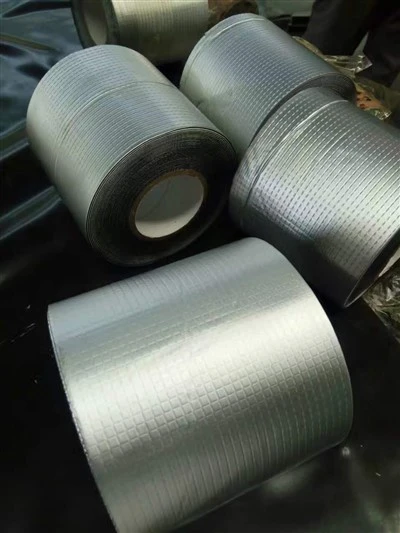
First, let’s get clear on what aluminium foil waterproof tape actually is, because a lot of people mix it up with regular foil or painter’s tape. Our tape starts with a 2-millimetre to 5-millimetre thick aluminium foil layer—aluminium is non-porous, meaning water can’t pass through it at all, which is why it’s the base. That foil is laminated to a high-performance acrylic adhesive, not the rubber-based adhesive you get on cheap foil tape from the hardware store. Acrylic adhesive stays flexible in temperatures ranging from -40°F to 200°F, doesn’t break down when exposed to UV rays (unlike rubber adhesive, which turns gummy or crumbly in direct sun), and bonds to most common DIY surfaces: metal, wood, asphalt, vinyl, and even some plastics, as long as the surface is clean.
Now, the core question: can it be used for DIY projects? The short answer is yes—when the project falls into its sweet spot: temporary or semi-permanent waterproof sealing, thermal insulation, surface protection, and even minor structural reinforcement. I’ve seen our tape work miracles for people who picked it up for small jobs that would otherwise require calling a plumber or roofer, which saves them hundreds of dollars. Let’s walk through the most common DIY uses that work, and where it falls flat—because knowing where it fails is just as important as knowing where it works.
First, the DIY wins that I see again and again. Gutter leaks are top of the list. Last spring, a customer in Ohio emailed me a photo of his back porch gutter, which had split along the seam after a harsh winter. He’d tried silicone caulk, which peeled off after two rainstorms, before grabbing a roll of our tape from his local hardware store. He cleaned the split seam with isopropyl alcohol, cut a 6-inch wide strip, pressed it firmly from one end to the other, and added a second overlapping strip for extra security. That was 10 months ago, and he emailed last month to say it’s still holding, even through snow melt and heavy spring rains. Why does this work? Gutters are made of metal, which the acrylic adhesive bonds to perfectly, and the tape’s thickness is enough to cover the gap from the split without stretching thin. It’s also flexible enough to move with the gutter as it expands and contracts from temperature changes, which is a big reason it outperforms silicone for many small gutter repairs.
Another huge DIY use is HVAC duct sealing. A lot of homeowners throw away their old duct tape when it gets worn, but aluminium foil waterproof tape is the go-to for sealing loose duct connections. I’ve had customers tell me that sealing their leaky basement ducts with this tape lowered their monthly energy bills by 12 to 15 dollars—no exaggeration. The foil layer reflects hot or cold air, so it also boosts thermal efficiency, not just blocks air leaks. For DIYers, this is a no-brainer: it’s easy to cut to size, bonds quickly, and doesn’t get brittle over time like traditional duct tape, which is designed for temporary use only.
Roof flashing repairs for minor, non-structural leaks are another big win. Not the entire roof—think small, narrow gaps around a vent pipe that’s sealed with old, cracked caulk. Our tape’s UV-resistant layer means it won’t degrade after sitting on a roof for 3 to 5 years, which is long enough to hold you over until you can budget for a permanent roof replacement or a professional to fix the flashing. I once had a customer in Arizona use our tape to seal a small leak around her AC unit’s roof vent, and she said it withstood 110°F summer temperatures and monsoon rains without peeling. The key here is that it’s a minor gap—too large a leak, and the tape won’t span the distance without pulling taut, which can break the adhesive seal over time.
Then there’s the less obvious DIY uses: protecting garden beds from moisture seepage, sealing the seams of a portable water barrel to stop leaks, even patching small holes in outdoor patio furniture that’s made of metal or plastic. A customer in Texas used it to line the bottom of a raised garden bed that was rotting from constant moisture; the foil layer prevented water from soaking into the wood, and he grew tomatoes there all summer with no issues.
Now, the part I always stress to DIYers: when aluminium foil waterproof tape is not a good idea. This is where a lot of mistakes happen, and I get emails from people saying “your tape didn’t work” when they used it for the wrong job. First, it’s not a permanent repair for structural leaks. If you have a full roof leak, foundation crack, or pipe burst, this tape is a temporary fix to stop water long enough to get a professional in—don’t rely on it as a long-term solution. I’ve had a customer in Florida use our tape to patch a foundation crack, and after a month, the tape peeled off because the foundation shifts with seasonal humidity and temperature changes; that’s not the tape’s fault, it’s his expectation of what it can do.
Second, it doesn’t work on dirty, oily, or porous surfaces. A lot of DIYers see a leak on a wooden shed roof and grab the tape without sanding or cleaning the wood first. The adhesive can’t bond to sawdust, dirt, or oil, so the tape peels off within a week. I always say: 80% of a good tape repair is prep work. For any surface, wipe it down with isopropyl alcohol or a degreaser, let it dry completely, and if it’s porous (like uncoated wood), sand it lightly to create a smooth, clean surface before applying the tape.
Third, it’s not for high-pressure applications. This might sound obvious, but it’s a common mistake. If you’re sealing a pipe that will have constant, high water pressure (like a main water line), this tape isn’t strong enough—you need a professional grade rubber gasket or solder. It works for low-pressure, temporary or semi-permanent applications, not high-stakes, constant pressure jobs.
As a supplier, I also know that not all aluminium foil waterproof tape is the same. You get what you pay for. The cheap foil tape from big-box stores that costs 5 dollars a roll has a thin foil layer and a rubber adhesive that breaks down in UV light. Our tape uses a thicker foil and acrylic adhesive, so it lasts longer, bonds better, and is designed for exterior use. I’ve had customers compare a cheap roll to our tape: the cheap one started peeling after a month on their gutter, while ours lasted 5 years on a roof vent. That’s the difference between product made for DIY use and product made to sit on a shelf.
I’ll also share a few pro tips that I pass on to every customer, because these small steps make all the difference. First, when applying the tape, warm it up slightly if you’re working in cold temperatures. The adhesive gets stiff when it’s below 50°F, so using a hair dryer on low heat to warm the tape and the surface will help it bond better, especially on metal surfaces. Second, overlap seams by at least 2 inches—for example, if you’re sealing a pipe vent, wrap the tape all the way around and overlap the end by 2 inches to create a full seal. Third, don’t stretch the tape when applying it. Stretching thinens the foil, which can tear, and pulls the adhesive away from the surface. Press it down firmly by hand or with a roller to ensure no air bubbles get trapped under it—air bubbles cause the tape to peel over time.
At the end of the day, aluminium foil waterproof tape is a valuable tool for DIYers, but it’s not a magic fix. It’s a specialized product designed for specific jobs, and when used correctly, it can save you thousands of dollars in professional repairs. If you’re working on a small leak, HVAC seal, gutter repair, or any other DIY project that involves waterproofing a gap or seam, this tape is absolutely worth trying—as long as you do your prep work and match it to the job.
If you have questions about whether this tape is right for your specific DIY project, or you’re looking to purchase bulk rolls for multiple projects, feel free to reach out to our team to discuss your needs. We’re here to help you pick the right product for your project, not just sell you a roll.
Butyl Rubber Tape References
- International Association of Plumbing and Mechanical Officials (IAPMO) – Residential Waterproofing Materials Guide, 2022
- American Society of Heating, Refrigerating and Air-Conditioning Engineers (ASHRAE) – Duct Sealing Best Practices for Residential Buildings, 2021
- National Roofing Contractors Association (NRCA) – Temporary Roof Repair Guidelines for DIY Homeowners, 2023
- Journal of Applied Adhesion Science – Performance of Acrylic vs. Rubber Adhesives for Exterior Waterproofing Applications, 2020
- U.S. Department of Energy – Residential Energy Savings from Duct Sealing, 2022
Jining Xunda Pipe Coating Materials Co., Ltd.
Jining Xunda Pipe Coating Materials Co., Ltd. is one of the most professional aluminium foil waterproof tape manufacturers and suppliers in China, featured by quality products and good price. Welcome to buy discount aluminium foil waterproof tape in stock here and get pricelist from our factory. Also, customized service and five years warranty are available.
Address: Jibei High-tech Industrial Park, Jining City
E-mail: sales.guo@xundatape.com
WebSite: https://www.xundapipetape.com/
