Hey there, so you’re deep into craft brewing and tired of dealing with wonky batches that go sour before they even hit the bright tank? As someone who’s been building and fixing brewhouse systems for 12 years now—trust me, contamination’s the silent killer that trips up even the most seasoned brewers. I’ve seen it all: a batch of pale ale that turned vinegar because a line wasn’t cleaned right, a saison that wouldn’t referment because of a rogue bacteria strain, even a brand new 10-barrel system that got contaminated during first startup from a leftover metal shard and biofilm. The good news? Contamination’s almost always preventable if you nail the small, consistent stuff—not just dropping cash on the shiniest gear. Let’s break down how to keep your brewhouse system clean, no stuffy jargon required. Brewhouse System
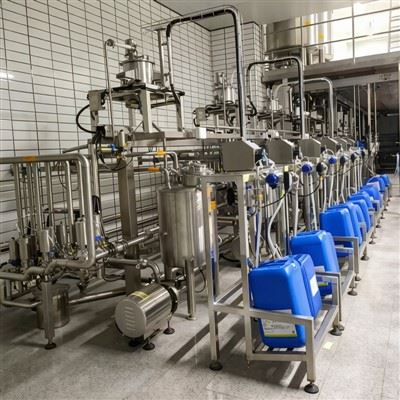
First, let’s cut through the confusion: what even is contamination in a brewhouse? It’s not just mold (though that’s gross) — it’s wild yeast, bacteria like lactobacillus or pediococcus, even leftover hops or grain gunk that feeds bad microbes. And here’s the kicker: a lot of it hides in places you can’t see. Think dead spots in your piping, crevices in valve gaskets, the inside of your wort chiller coils, even the bottom of your mash tun’s false bottom. Skipping a deep clean there is like leaving a dirty dish in your sink for a week—you’re asking for trouble. I’ve had brewers come to me after blaming “bad yeast” only to realize their system’s return line had a biofilm that was sticking around between brews. That’s not your yeast’s fault—that’s a system maintenance fail.
Let’s start with the most important step: CIP (Clean-in-Place) systems. If you’re a small brewer with a manual system, don’t skip CIP—just do it right. Way too many guys run a quick water rinse and call it a day. Here’s the real CIP playbook, from someone who’s installed CIP units for hundreds of brewhouses: First, pre-rinse with lukewarm (not hot!) water to blast all the loose grain and wort gunk off. Hot water makes wort protein solidify, which turns into a crust that’s impossible to get out later. Then, hit it with an alkaline cleaner—most brewers use caustic soda, but make sure you get the concentration right (1-2% is sweet spot) and the temperature between 140-160°F. Run that through every line, tank, and valve for at least 20 minutes. Don’t forget the dead ends: some piping has branches that don’t get flow unless you manually open a valve. I always tell brewers to walk their system while running CIP, make sure every port, valve, and drain is getting the solution. Follow that with a rinse, then an acidic cleaner (like phosphoric acid, 0.5-1% concentration) to remove mineral buildup—super important if your water’s hard, because that scale can shield bacteria from cleaners. Last, a final rinse with cold, filtered water to get rid of any leftover chemicals. Oh, and if you have a CIP skid from us (plugged our own gear there, no shame), it has automatic timers and temperature sensors so you don’t have to babysit it—way better than manual, less human error.
Next up, the stuff you touch every day: small parts like gaskets, O-rings, valves, and fittings. I’ve seen a lot of brewers buy cheap silicone gaskets that get nicked or chewed up over time—those little gaps are perfect for bacteria to hide. Invest in food-grade EPDM or Viton parts; they’re more durable and don’t absorb odors or microbes. Also, when you take apart parts for cleaning, don’t just toss them in a bucket. Soak gaskets and O-rings in a mild, non-caustic cleaner after every brew, scrub them gently with a soft brush (no metal brushes—they leave scratches!), and check for tears. If a gasket’s even slightly damaged, replace it immediately. I once worked with a brewer who used a torn valve gasket for 3 brews straight; his next batch of IPA tasted like sour candy because lactobacillus was growing in the tear. Fix that small part, fix the whole batch.
Then there’s wort cooling and chilling—this is a huge contamination hot spot, and I see so many brewers mess this up. When you drain hot wort from the kettle, it’s sitting at 170-212°F, which kills most bacteria—but once it hits the chiller, it drops fast (especially if you use an immersion chiller in a cool room). That cool wort is a bacteria buffet. Here’s the rule: cool your wort from 180°F to 70°F in less than 60 minutes, and to yeast pitching temp (around 68°F for ale) in less than 90 minutes. I know, it’s tight, but using a properly sized plate chiller or a glycol-cooled immersion chiller makes this way easier. Also, sanitize your chiller every time you use it—don’t just wipe it down. Use a no-rinse sanitizer (like peracetic acid or iodine-based) and let it sit for the recommended contact time (usually 2-5 minutes) before running wort through it. And here’s a pro tip: after you chill, flush the chiller with a little hot water to get rid of any leftover wort that’s stuck in the coils. A friend of mine runs a 15-barrel brewpub in Portland and swears his year-round IPA tastes so consistent because he does a 2-minute hot water flush after every chill—no more stuck wort in his chiller lines.
Biofilm is the sneaky one. It’s a sticky layer of bacteria, yeast, and gunk that grows on surfaces, and it’s way harder to get rid of than single-cell microbes. It forms when you have leftover nutrients (wort, sugar) on surfaces, so even a small amount can blow up into a big problem over time. How do you kill it? First, consistent CIP is non-negotiable. But every 4-6 weeks, do a deep sanitization with a high-temperature pasteurization step—run 180°F water or a food-grade sanitizer that’s formulated to break biofilm through your entire system, let it sit for 30 minutes, then rinse. Also, don’t leave your system full of water or wort between brews. If you’re taking a day off, drain everything, dry it out as much as possible, and leave valves open so air circulates. Standing water is a biofilm playground. I had a brewer who left his mash tun full of water over a weekend; when he came back, he had to replace the false bottom because biofilm had grown under the screen and was clogging the holes. Cost him a grand and a batch of beer—don’t be that guy.
Water quality is something a lot of people sleep on, but your brewing water is 90% of your beer. If your water has too many minerals, or worse, bacteria or sediment, that can get into your system and contaminate wort. Invest in a good water filtration system—reverse osmosis (RO) is standard for most craft brewers these days, and it removes almost all sediment, bacteria, and unwanted minerals. Also, test your water regularly: send a sample to a lab for microbial testing every 6 months, or use a home test kit if you’re small. If your city has heavy chlorine in the water, let it sit out for 24 hours before using it, or use a carbon filter to remove it—chlorine kills yeast, but it can also leave a chemical aftertaste if it’s not neutralized. I once consulted on a brewery where their beer tasted like pool chlorine for months; turns out their water line to the brewhouse had a leak, so they were using untreated tap water straight from the city main. Fixed the filter, fixed the beer.
Pest control? Wait, pests can contaminate your system too. Mice, rats, even flies can carry bacteria on their feet or in their droppings, and if they get into your brewhouse, they’ll leave that gunk on surfaces. Keep your brewhouse doors closed when not in use, seal any gaps around pipes or vents, and set up non-toxic traps (no poison—you don’t want dead mouse residue getting into your beer). I’ve seen a brewery that had a mouse get into their hot liquor tank; they found droppings on the tank’s lid, and their next batch of beer was off-flavor for weeks. It’s a gross problem, but easy to prevent with a little vigilance.
Now, let’s talk about what we (as a brewhouse system supplier) do differently to help with contamination prevention. A lot of cheaper systems are built with corners cut—small piping, hard-to-reach dead spots, gaskets that don’t seal right. Our systems are designed with CIP in mind: every line has full flow, no low points or dead ends where gunk can collect. We use sanitary fittings (tri-clamp, not threaded) because they’re easier to clean, no threads for bacteria to hide in. Also, we build our tanks with rounded interior corners instead of sharp edges—sharp edges make it almost impossible to scrub biofilm off. When we install a system, we walk brewers through every CIP step, and we even give a custom cheat sheet tailored to their system, so they don’t miss a spot. I can’t tell you how many times a brewer has come to us after struggling with contamination, and switching to one of our systems fixed 70% of their problems right away.
Wait, let’s hit a common mistake I see: skipping sanitization between brews. A lot of brewers think “CIP is enough, so I don’t need to sanitize small parts.” No—CIP cleans, but sanitizers kill the remaining microbes. After you do your CIP, when you’re moving wort from the kettle to the fermenter, sanitize the transfer hose and valve before you use it. Use a no-rinse sanitizer so you don’t have to rinse after—saves time and avoids cross-contamination. Also, if you’re using a hose for multiple brews (which you should avoid, honestly—they’re a biofilm magnet), sanitize it every single time, not just once a day. I had a brewer who used the same transfer hose for every brew; after 6 months, that hose had more biofilm than his entire system. We suggested disposable food-grade hoses, and he hasn’t had a contamination issue since.
Another thing: your fermentation system is connected to the brewhouse, so it’s part of the equation. When you transfer from the brewhouse to the fermenter, make sure your transfer line is sterile. Don’t let it sit out on the floor—hang it up, sanitize it, cap it off if you’re not using it right away. Also, after transferring, flush the line with hot water to get rid of any leftover wort. A lot of brewers forget that the line between brewhouse and fermenter is a bridge for bacteria to move between the two. I once had a 50-barrel brewery that had recurring wild yeast in their saisons; turns out the transfer line had a small leak at the valve, so wild yeast from the brewery’s wild beer fermenters was getting into the brewhouse line during transfer. Fixed the leak, and the saisons went back to normal.
Let’s wrap this up with a quick checklist you can use after every brew, no matter the system size: 1. Pre-rinse all lines, tanks, and parts with lukewarm water. 2. Run alkaline cleaner through the system for 20 minutes, check all valves and dead ends. 3. Rinse, then run acidic cleaner for 10 minutes. 4. Rinse with cold filtered water. 5. Soak all small parts (gaskets, O-rings, valves) in mild cleaner, scrub gently. 6. Sanitize all transfer hoses and lines. 7. Drain all tanks and lines, dry them, leave valves open for air circulation. 8. Test your water before use. Sticking to this checklist eliminates 95% of contamination issues.
Scale Beer Equipment At the end of the day, contamination isn’t a random bad batch—it’s a sign that your system’s cleaning habits are missing something. If you’re building a new brewhouse system or looking to upgrade your current one to reduce contamination risk, reach out to us to chat through your specific needs. We don’t sell one-size-fits-all gear—we work with brewers of all sizes (nanobreweries up to 50-barrel operations) to design a system that’s easy to clean, has minimal dead spots, and cuts down on contamination stress. No sales jargon, no pushy pitches—just guys who’ve been in the game long enough to know what works.
References
- Stewart, G. G., & Russell, I. (2018). Brewing Microbiology (3rd ed.). Taylor & Francis.
- American Society of Brewing Chemists (ASBC). (2020). Methods for Examination of Water for Brewing. ASBC.
- Boulton, C., & Quain, D. (2001). Brewing Yeast and Fermentation. Blackwell Science.
- Meier, D., & Card, T. (2019). Sanitation Practices for Craft Breweries. Craft Brewing Business Press.
Wenzhou Jinggong Machinery Equipment Co., Ltd.
We are one of the most professional brewhouse system manufacturers and suppliers in China. With abundant experience, we warmly welcome you to buy customized brewhouse system at competitive price from our factory. If you have any enquiry about quotation, please feel free to email us.
Address: No.Jiadi Industrial Zone, Yaoxi Town, Longwan District, Wenzhou City, China.
E-mail: jinggong2026@163.com
WebSite: https://www.jg-ind.com/
