If you’re in industries like construction, oil and gas, mining, or heavy equipment maintenance, you know how critical it is to get bolt tensioning right. A loose flange connection or a bolt that’s torqued too far can lead to equipment failure, safety hazards, and costly downtime. That’s where a hydraulic torque wrench comes in—this powerful tool is designed to deliver precise, consistent torque that manual wrenches or even electric tools can’t match. But here’s the thing: a hydraulic wrench only works as well as you use it. I’ve seen so many folks skip basic steps, cut corners on setup, or ignore simple safety rules, and that’s when mistakes happen. As someone who’s been supplying hydraulic power tools for over a decade, I’ve worked with everyone from small construction crews to large plant operators, and I’ve picked up more than a few lessons on getting the most out of these tools without putting anyone at risk. Today, I’m breaking down exactly how to use a hydraulic torque wrench correctly—no fancy jargon, just straight talk that actually works. Hydraulic Power Tools
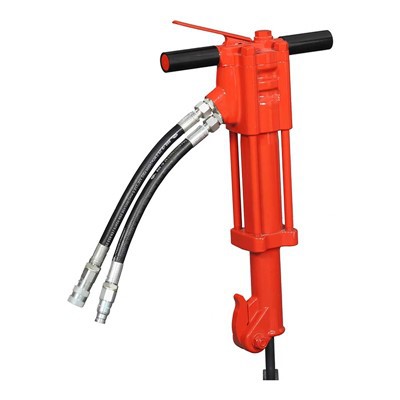
First, let’s start with pre-use prep. A lot of people jump straight to grabbing the wrench and twisting, but skipping pre-checks is a quick way to damage the tool, ruin a bolt, or get an inaccurate torque reading. Let’s break this down into three key parts: tool inspection, job matching, and workspace setup.
Tool inspection is non-negotiable. Before you even hook up the hydraulic hose, take 60 seconds to give the wrench a once-over. Check the drive head, that’s the part that fits over the bolt nut—look for any cracks, worn notches, or burrs. If the drive head is damaged, it won’t seat evenly on the nut, which means your torque reading will be off by 10% or more, and it could slip mid-torque, smashing your hand. Next, inspect the hydraulic hoses. Look for cuts, abrasions, or swollen areas—hydraulic fluid is under a lot of pressure (usually 10,000 to 15,000 PSI), so a tiny cut can turn into a leak that sprays fluid hard enough to puncture skin. Also, make sure the hose connectors are clean—dirt in the quick-connect fittings is a top cause of pressure drops, which messes with torque. Finally, double-check the torque setting on the wrench. Every hydraulic wrench has a torque range it’s built for; if you set it to 10,000 ft-lbs and it only goes up to 8,000, you’ll under-torque bolts without realizing it. I’ve seen guys grab a wrench that’s meant for heavy industrial flanges and try to use it on a small pipe bolt, just because it was sitting on the same shelf—don’t do that. Matching the right wrench to the job saves time and prevents tool failure.
Workspace setup is another thing people sleep on. Hydraulic wrenches are heavy—some of the larger models weigh over 100 lbs—so you need a stable surface to work on, and clear space around you. No loose tools, no leftover lumber, no muddy spots where you could slip. Also, make sure the hydraulic pump you’re using is rated for the same pressure as your wrench. Using a pump that puts out too much pressure can blow the wrench’s seals, and one that’s too weak won’t reach your target torque. If you’re working at height, use a tool tether—dropping a hydraulic wrench from 20 feet won’t just damage the tool, it could hurt someone below.
Once you’ve done the prep, it’s time for the actual setup on the bolt. This step is where most people mess up the torque reading, so pay attention. First, choose the right socket. The socket has to fit perfectly over the nut—no wobble, no gaps. If the socket is too big, it’ll only grab part of the nut, leading to uneven torque; too small, and it won’t seat at all. I’ve had customers come back saying their wrench was “broken” because the readings were wrong, only to find they used a 1 5/16 socket on a 1 1/4 nut—simple mistake, easy to fix. Next, seat the wrench’s drive head correctly. Push it straight onto the nut until it clicks into place—you shouldn’t have to force it, and it shouldn’t rock back and forth. If you’re working on a recessed nut, use a deep-well socket, and make sure the wrench’s anvil (the part that rotates) has enough clearance. No one wants to scrape the wrench against a flange or pipe mid-torque, because that creates friction that lowers your actual torque. Also, double-check that the reverse lever on the wrench is in the right position. If you’re tightening a bolt, it should be set to “tighten”; if you’re loosening, set it to “loosen.” Mix that up, and the wrench will spin backward, which can catch your hand or yank the tool out of your grip.
Now, connecting the hydraulic lines. This seems straightforward, but there’s a right way and a wrong way. First, make sure the pump is turned off—this is a safety rule, no exceptions. Connect the quick-connect fittings on the wrench and the pump, and make sure they’re fully locked. A loose connector will leak pressure, so even if the pump is at full power, the wrench won’t reach your target torque. Once connected, give the hose a gentle tug to make sure it’s secure. Then, route the hose so it doesn’t get pinched between the wrench and the workpiece, or run over by machinery. Pinched hoses cause pressure spikes, which can damage the wrench or the pump.
With everything set up, it’s time to operate the wrench. Let’s start with the basics: always wear the right PPE. Hard hat, safety glasses, gloves (cut-resistant gloves, not regular work gloves), and steel-toe boots. Even a small hydraulic leak can burn you, and a slipping wrench can drop on your foot. Now, turn on the pump. Most hydraulic pumps have a control lever or trigger—hold it firmly, and watch the wrench. Wait until the wrench stops rotating when it hits your target torque. Most modern hydraulic wrenches have a built-in torque indicator, usually a click or a light, that lets you know you’ve hit the mark. Don’t keep pulling the trigger after that—over-torquing is just as bad as under-torquing, it can stretch the bolt past its limit, break the nut, or damage the workpiece. If you need to stop mid-torque, release the trigger slowly, don’t just yank it off. If the wrench doesn’t stop at your target, double-check the pump pressure—you might need to adjust it, or you might have a faulty seal. Also, never use a hydraulic wrench to loosen rusted or stuck bolts. Those bolts usually need a breaker bar or an impact wrench first—using a hydraulic torque wrench for loosening can put too much stress on the tool and cause it to fail. I’ve had customers send back wrenches with cracked housings because they tried to loosen a 2-inch bolt with a 1-inch wrench—stick to the tool’s intended use.
After you’re done torquing, don’t just pack everything up right away. First, turn off the pump, disconnect the hoses, and then gently move the wrench off the nut. Don’t yank it off, because that can damage the socket or the drive head. Give the wrench a quick wipe down—hydraulic fluid and dirt can corrode the metal over time, which shortens the tool’s lifespan. Check the hoses again for any leaks or damage, coil them neatly so they don’t get kinked, and store the wrench in a dry, secure place. If you’re using it on a job site, don’t leave it out in the sun or in the rain—extreme temperatures can affect the hydraulic fluid’s viscosity, which messes with torque accuracy.
Now, let’s talk about some common mistakes I see all the time, and how to avoid them. One big one is ignoring calibration. A hydraulic torque wrench’s accuracy can drop over time—usually, they should be calibrated every 6 to 12 months, depending on how often you use them. If you’re using a wrench that’s not calibrated, your torque readings could be off by 5% to 15%, which is a huge margin for error on critical jobs. I always tell customers to keep a log of when they use each wrench, and schedule calibration regularly. Another mistake is using the wrong hydraulic fluid. Some folks just top off the pump with any old hydraulic fluid, but different wrenches require different viscosities. Using the wrong fluid can cause pressure drops or seal damage. Check your wrench’s manual—we supply all our tools with a spec sheet that lists the right fluid, so if you’re not sure, just reach out.
Safety is something I can’t stress enough. Hydraulic tools are powerful, and they’re not toys. Never point a hydraulic hose at yourself or anyone else—even a small leak at high pressure can pierce skin. Always make sure the wrench is properly supported—if you’re using a large model, use a stand or a helper to hold it steady, so you don’t have to lean on it and throw off the torque. Also, never work alone on a big flange or a high-stakes bolt job—having a second person to spot hazards and help with the wrench reduces the risk of accidents.

At the end of the day, a hydraulic torque wrench is an investment—you don’t want to spend thousands of dollars on a tool just because you didn’t use it right. Following these steps won’t just get you accurate, consistent torque; it’ll also extend the life of your tool, keep your worksite safe, and prevent costly repairs or downtime. If you’re not sure which wrench is right for your specific job, or if you need help with calibration or maintenance, we’re here to help. Whether you’re a small contractor or a large industrial operation, we can supply the right hydraulic power tools for your needs, and we’re always available to answer questions or give tips. Don’t guess at torque, don’t cut corners on setup—do it right, and you’ll avoid the headaches that come with improper bolt tensioning.
Hydraulic Power Tools References:
- OSHA Technical Manual, Section IV, Chapter 4: Hydraulic Power Tools Safety.
- American Society of Mechanical Engineers (ASME) PCC-1: Guidelines for Pressure Boundary Bolted Joint Assembly.
- Hydraulic Tool Manufacturers Association (HTMA) Standard for Torque Wrench Performance and Calibration.
- Machinery Lubrication Magazine: “Proper Hydraulic Fluid Selection for Industrial Tools.”
Hefei Inhyde Intelligent Equipment Manufacturing Co., Ltd.
We are one of the most professional hydraulic power tools manufacturers and suppliers in China. With abundant experience, we warmly welcome you to buy customized hydraulic power tools made in China here from our factory. For pricelist and quotation, contact us now.
Address: Units 501 & 502, Renhe Industrial City, Shuangfeng Development Zone, Changfeng County, Hefei City, Anhui Province
E-mail: ind@inhyde.com
WebSite: https://www.chnihd.com/
