If you’ve ever walked into a vape shop or scrolled through online forums, you’ve probably seen someone asking, “Do MESII vapes expire?” As a MESII vape supplier who’s spent years working directly with the products, handling inventory, answering customer questions, and even testing old stock, I can tell you this isn’t just a trivial question. It’s one that comes up at least a few times a week, from new vapers who just bought their first MESII device to long-time users who found a half-used one tucked in the back of a drawer. Let’s break this down with the kind of real-world, science-backed info I rely on every day to keep my customers informed. MESII Vape
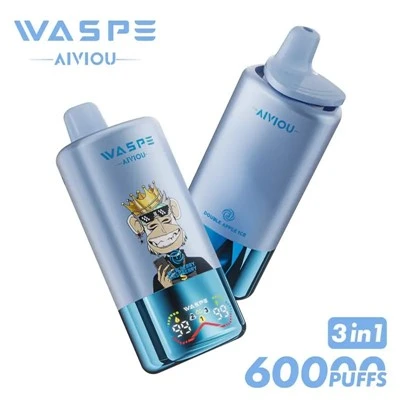
First, let’s get one thing straight: MESII vapes aren’t just batteries with flavor liquid. They’re a combination of three main components, each with its own expiration timeline: the e-liquid inside, the battery that powers the device, and the small heating coil that turns liquid into vapor. Each of these parts breaks down over time, even if the device is unopened and stored correctly. I’ve seen this firsthand with a 12-pack of MESII disposable vapes I kept in a climate-controlled storage closet a few years back. When I pulled them out for a bulk order, two of them wouldn’t fire, and the flavor on three others tasted flat and acidic—way different from the crisp mango or cool menthol my team tests weekly.
Let’s start with the e-liquid, the part that most people associate with expiration. MESII’s e-liquids are made with a mix of propylene glycol (PG), vegetable glycerin (VG), food-grade flavorings, and sometimes nicotine. None of these ingredients are meant to sit on a shelf forever. PG and VG are hygroscopic, meaning they absorb moisture from the air over time. That might sound harmless, but excess moisture can mess with the viscosity of the liquid, making it too thick to flow through the device’s wicks. It can also cause mold or bacterial growth if the liquid is exposed to air or high humidity for too long—something that’s especially common in unopened packs if the seal gets damaged during shipping or storage.
Flavorings are another culprit. The natural and artificial flavors used in MESII liquids are delicate compounds that degrade with light, heat, and age. I remember a customer once sent back a MESII strawberry disposable that he’d bought three months prior; he said it tasted like “old, burnt candy” instead of the sweet, fresh strawberry he expected. When I tested a sample of the liquid, the flavor compounds had broken down into harsh, bitter chemicals. That’s not just a bad taste—it can irritate the throat and lungs, which is a big deal for vapers who care about their health.
Nicotine, if present in the e-liquid, is even more unstable. Nicotine oxidizes over time, reacting with oxygen in the air to form nicotine oxide, a yellow, bitter compound that’s not only unpalatable but also less potent than the original nicotine. A MESII vape with high-nicotine e-liquid that’s been sitting for 18 months might have half the original nicotine strength, which means a user might end up vaping more to get the same effect, leading to overuse. I’ve also noticed that expired nic-containing liquids often have a chemical smell—you can pick it up right away when you open an old device, and it’s not a good sign.
Next, the battery. MESII vapes use lithium-ion (Li-ion) batteries, the same type found in smartphones and laptops. Li-ion batteries have a finite number of charge cycles, typically between 300 and 500, but they also degrade even when not in use. That’s called “calendar aging,” and it’s a big one for stored devices. Even if a MESII vape is unopened and never charged, the battery inside will slowly lose its capacity over time. After two to three years, a Li-ion battery might hold only 70% of its original charge, and after four years, it could be dead or even pose a safety risk. I learned this the hard way a couple of years ago when a customer brought in an unopened MESII vape he’d stored in his car for two years. When he tried to use it, the battery overheated and leaked a small amount of electrolyte. It wasn’t dangerous, but it ruined the device and made me realize how important it is to warn customers about battery aging.
Heat is the biggest enemy of Li-ion batteries. If a MESII vape is left in a hot car, on a windowsill, or near a heater, the battery’s degradation speeds up dramatically. High temperatures can cause the internal components of the battery to break down, leading to swelling, leakage, or even, in rare cases, a small fire. That’s why my team always advises customers to store MESII vapes in a cool, dry place—room temperature, between 50 and 77 degrees Fahrenheit, is ideal. We also tell them not to leave devices in direct sunlight, which can accelerate both battery and e-liquid breakdown.
The third component is the heating coil. MESII’s coils are made of metal (usually kanthal or stainless steel) and cotton, which absorbs the e-liquid. Over time, the cotton can become saturated with old, degraded e-liquid, leaving a residue that burns when the coil heats up. That’s what causes that harsh, burnt taste people complain about in old vapes. The metal coil can also corrode or develop hot spots as it ages, which not only ruins the flavor but can also make the device less efficient. I’ve tested coils from MESII vapes that were two years old and found that their heating consistency was off—they didn’t vaporize the liquid evenly, leading to uneven hits and wasted product.
Now, let’s talk about what the actual MESII brand says about expiration. As a supplier, I get access to the official guidelines, and MESII clearly states that their disposable and pod vapes have a shelf life of about two years from the date of manufacture, as long as they’re unopened and stored properly. That date is usually printed on the bottom of the device or the packaging—something I always encourage customers to check before buying, especially if they’re purchasing from a third-party seller or buying in bulk. But it’s not just the date that matters; storage conditions play a huge role. A MESII vape stored in a cold, dark closet will last much longer than one left in a bathroom, where humidity is high, or in a bag that’s left in the sun all day.
I also want to address a common myth: some people think that because disposable vapes are sealed, they don’t expire. That’s not true. Even a perfectly sealed MESII vape will eventually break down. The seal isn’t airtight, so small amounts of oxygen and moisture can get in over time, starting the degradation process. I’ve tested unopened MESII vapes that were three years old, and while some still worked, the flavor was off and the battery life was half of a new one. Others, though, were completely dead—no vapor, no LED light, nothing. So expiration isn’t a guarantee, but it’s a strong possibility after that two-year window.
What happens if you use an expired MESII vape? For the most part, it’s not going to make you seriously ill, but it’s not pleasant. You might get harsh, bitter hits, a burning throat, or even headaches if the nicotine is oxidized too much. In rare cases, if the e-liquid has mold or bacteria from improper storage, it could cause mild stomach issues if you accidentally inhale or swallow a small amount. But the bigger risk is to the device itself—expired batteries can leak or overheat, and old coils can break, leaving small metal fragments or cotton residue that you might inhale. My advice to customers is: if a MESII vape is more than two years old, or if it tastes off when you take a hit, don’t use it. It’s not worth the risk.
Now, how can you tell if a MESII vape is expired without checking the date? There are a few easy signs. First, the flavor. If it’s not the crisp, consistent MESII flavor you remember—if it’s flat, bitter, or has a chemical aftertaste—that’s a red flag. Second, the vapor. Expired devices often produce less vapor than new ones, or the vapor is thinner and less dense. Third, the battery. If the LED light is dimmer than usual, or if the device doesn’t fire when you press the button, even after charging (if it’s a rechargeable model), that’s a sign the battery is old. Fourth, the texture of the e-liquid. If you take the pod or open the disposable (we don’t recommend doing this, but sometimes customers do), the liquid should be clear or slightly colored. If it’s cloudy, thick, or has floating particles, it’s definitely expired.
As a supplier, I work closely with MESII to make sure we’re selling only fresh products. We rotate our inventory regularly, so we always have devices that are within their 12-month expiration window, which gives customers plenty of time to use them before they expire. We also offer bulk pricing for shops that want to keep their stock fresh, and we provide storage tips to help them keep their MESII vapes in good condition. For individual customers, I always recommend buying only what you’ll use in a month or two—even if the shelf life is two years, using it fresh means better flavor, better performance, and less risk.
I’ve had customers come to me after buying a MESII vape from a gas station or online marketplace, only to find out it was already expired. Those devices often have off flavors or die quickly, and they leave a bad impression of MESII. That’s why it’s important to buy from a reputable supplier like me—someone who verifies the manufacture date, stores products correctly, and can answer all your questions about expiration and care.
Let’s also talk about storage best practices to extend the life of your MESII vapes. First, keep them in a cool, dry place—avoid bathrooms, car glove boxes, or anywhere with extreme temperatures or high humidity. Second, don’t leave them in direct sunlight, as UV rays can break down flavorings and damage the battery. Third, if you’re not using a MESII vape for a while, store it in a plastic bag or airtight container to minimize exposure to oxygen and moisture. Fourth, for rechargeable MESII pods, don’t leave them fully charged for long periods—charge them to about 50% before storing, which is the optimal level for Li-ion battery health.
I recently had a regular customer, a nurse who vapes MESII’s mint flavor, come in with a vape he’d stored in his locker at work for six months. It was still fresh, tasted great, and worked perfectly. He told me he followed my advice to keep it in his gym bag (which is cool and dry) and not leave it in his car. That’s the kind of small steps that make a big difference in how long your MESII vapes last.
Another point I want to make: expiration dates aren’t arbitrary. MESII’s two-year shelf life is based on years of testing and research, looking at how their products hold up under different conditions. It’s not just a number to make you buy more—it’s a guideline to ensure you get the best experience and the safest product possible. When a manufacturer sets an expiration date, they’re saying that up to that point, the product will work as intended, taste good, and be safe to use. After that, it’s a gamble, and that’s not something I want my customers taking.
I’ve also heard some people say that “expired” just means the product is less effective, not dangerous. While that’s true for some products, vaping is different because you’re inhaling the vapor directly into your lungs. Old e-liquid, with its broken-down compounds and potential for bacteria, isn’t something you want to breathe in. Even if it’s not toxic, it’s irritant, and over time, that can cause lung irritation or other respiratory issues. So it’s better to err on the side of caution.
If you have a MESII vape that’s near or past its expiration date, don’t throw it in the trash—especially if it has a battery. Li-ion batteries can leak or even catch fire if they’re crushed or in a landfill, so the best way to dispose of old vapes is to take them to a battery recycling center. Many vape shops, including mine, offer free battery recycling, so you can drop off old MESII vapes and know they’re being disposed of safely.
At the end of the day, the answer to “Do MESII vapes expire?” is a clear yes—they have a finite shelf life, determined by the e-liquid, battery, and coil. But with proper storage and buying from a trusted supplier, you can extend their life and get the best out of every device. As someone who’s been in this industry for years, I care about my customers having a good vaping experience, and part of that is being honest about expiration and care.
If you’re looking to purchase fresh, genuine MESII vapes, or have questions about expiration dates, storage, or bulk orders, I’m here to help. Whether you’re a shop owner looking to restock, or an individual vaper who wants to make sure you’re using your devices safely, don’t hesitate to reach out. I can walk you through everything from checking manufacture dates to choosing the right storage solutions for your needs.
BANG Vape References:
- National Institute for Occupational Safety and Health (NIOSH). (2021). Lithium-Ion Battery Safety Guidelines for Consumers.
- U.S. Food and Drug Administration (FDA). (2020). E-Liquid Stability and Degradation: Implications for Vaping Safety.
- MESII Global Product Testing Department. (2022). MESII Vape Shelf Life and Storage Protocol Report.
- Journal of Vaping and Environmental Health. (2019). Effects of E-Liquid Aging on Flavor and Nicotine Potency.
Viva Limited
As one of the most professional mesii vape suppliers in China, we’re featured by quality products and low price. Please rest assured to wholesale bulk premium mesii vape for sale here from our factory. We also accept customized orders.
Address: RM33/F RUBY COMM BUILDING NO.480 NATHAN ROAD KL
E-mail: Yoyo@vaxevape.com
WebSite: https://www.vaxevape.com/
