If you’ve ever watched someone rely on a nebulizer to turn liquid medication into a fine mist that reaches their lungs, you know how integral this device is for managing respiratory conditions like asthma, COPD, or cystic fibrosis. As a nebulizer supplier, I work with customers every day—from individual caregivers to small clinic owners—and one of the most common questions I get is: “How do I tell if my nebulizer is actually working properly?” It’s a great question, because a nebulizer that’s not functioning as it should won’t deliver the full dose of medication, which can leave symptoms unmanaged or even lead to avoidable complications. Nebulizers

Over the years, I’ve learned that proper nebulizer function isn’t just about the device itself—it’s about the whole system: the compressor, the tubing, the medication cup, and the mask or mouthpiece. I’ve also found that a lot of people skip the simple checks that catch small issues before they turn into big problems. Today, I’m breaking down the science-backed signs of a working nebulizer, the red flags that mean it’s time for a tune-up, and practical tips from our team to keep your device running reliably.
First, let’s start with the basics: how a nebulizer is supposed to work. Unlike inhalers, which require coordination to press and breathe at the same time, nebulizers turn liquid solution into an aerosol mist using compressed air. That mist needs to be made up of particles small enough (1 to 5 micrometers, to be exact) to travel past the throat and into the lungs’ airways. If the particles are too big, they’ll get stuck in the mouth or throat instead of reaching the respiratory tract where they’re needed most. If they’re too small, they might be exhaled before they can be absorbed. So the first clue your nebulizer is working is the mist itself—but not just any mist. A working nebulizer should produce a steady, consistent flow of fine mist, not a weak spray or large droplets that clump together.
Let’s walk through a quick at-home test you can do right now, no extra supplies needed. First, set up your nebulizer as you would for a treatment: fill the medication cup with distilled water (never use tap water, which can leave mineral deposits) instead of medication, connect the tubing to the compressor, and turn the device on. Hold the medication cup upright at about eye level. If it’s working correctly, you should see a continuous, fine mist coming out of the top of the cup or the mouthpiece. If the mist only sputters, or you see droplets that are the size of raindrops, that’s a red flag. I’ve seen this happen all the time with older nebulizers or ones that haven’t been cleaned properly. For example, if the medication cup’s baffle (the small plastic piece that splits the liquid into particles) is clogged, it can’t break the solution into the right size particles. That’s a quick fix, but if you ignore it, the whole treatment will be ineffective.
Another key sign of a properly working nebulizer is treatment time. Most prescription nebulizer treatments should take between 5 and 10 minutes. If your treatment is dragging on for 15 minutes or more, that means the device isn’t producing enough mist, or the flow is inconsistent. I’ve had a customer tell me last week that her 7-year-old would get restless halfway through treatments, and she thought it was just her child—until she checked the nebulizer and realized it was taking 14 minutes. Turns out, the compressor’s air filter was dirty, which reduced the air flow needed to create the mist. We sent her a replacement filter, and now her treatments are right on time, and her kid sits through them without fuss. That’s a simple, common issue that’s easy to miss if you don’t track treatment duration.
Wait, but what about the compressor? A lot of people focus on the cup and tubing and forget that the compressor is the heart of the nebulizer system. A working compressor should run quietly, without any rattling or squealing. If it’s making loud, unusual noises, that’s a sign that internal parts are wearing out. Compressors have a lifespan—usually 1 to 2 years with regular use—but that can vary based on how often you use it and how well you maintain it. For example, if you don’t clean the air filter every month, dust and debris can build up, making the compressor work harder, which shortens its lifespan. I always tell customers to mark their calendars to check the air filter once a month; it’s a 30-second task that saves you from buying a new compressor too soon.
Now, let’s talk about red flags that mean it’s time for a replacement part or a new nebulizer. First, if there’s no mist at all. That could be a few things: the tubing is kinked or blocked, the medication cup is cracked (even a small crack can leak air and reduce pressure), or the compressor isn’t turning on. To troubleshoot, first check the tubing for kinks—sometimes it gets twisted under a bed or a chair. If the tubing is fine, disconnect it from the compressor and the medication cup, turn the compressor on, and see if air is coming out of the compressor’s air outlet. If not, the compressor might be broken. If air is coming out, the problem is in the cup or the mouthpiece. I recommend to always have a spare medication cup and mouthpiece on hand; those are the parts that get the most wear and tear, and they’re much cheaper than a whole new nebulizer.
Another red flag: leaks. If you notice liquid dripping from the tubing or the medication cup during treatment, that’s a sign that air pressure is escaping, which means the mist production will be low. Leaks can happen if the tubing connections are loose, the cup’s seals are worn out, or the mouthpiece/mask isn’t fitted tightly. I’ve had a customer with COPD who was worried her medication wasn’t working because she noticed she wasn’t feeling better—turns out, the mask’s seal was cracked, so half the mist was leaking onto her face instead of going into her lungs. We sent her a new mask, and within a few treatments, she noticed a huge difference in her shortness of breath. That’s a small, easy fix that makes a big impact.
Now, let’s get into maintenance, because a well-maintained nebulizer will work properly every time. Here are the tips we share with all our customers: First, always use distilled water to clean the medication cup and mask. Tap water has minerals that can build up on the baffle and the cup, which clogs the small holes that create the mist. To clean the cup, take it apart, wash it with warm soapy water (mild dish soap is fine), rinse it thoroughly, and air dry it completely before putting it back together. Don’t use harsh chemicals or alcohol to clean the cup, because that can leave residue that mixes with the medication during treatment. Second, replace the air filter every 30 days (or as directed in your nebulizer’s manual). If you use your nebulizer multiple times a day, you might need to replace it more often. Third, store your nebulizer in a clean, dry place—don’t leave it on a bathroom counter, where moisture and bacteria can build up.
I know that as a supplier, it’s easy to just sell a product, but our team cares about making sure our customers get the most out of their nebulizers. We’ve built our business on supporting people through every step, from choosing the right nebulizer for their needs to troubleshooting issues when they come up. If you’re unsure if your nebulizer is working properly, or if you need replacement parts, don’t wait until a treatment is ineffective or you’re struggling with symptoms.
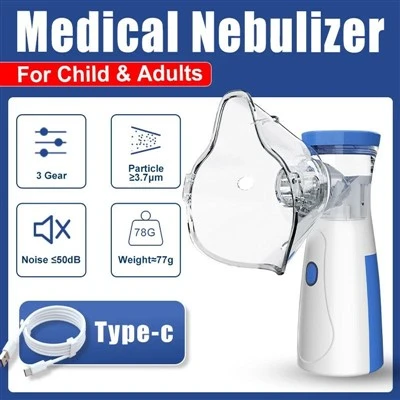
If you’ve noticed any of the red flags I mentioned—long treatment times, weak or inconsistent mist, loud noises from the compressor, leaks, or no mist at all—reach out to our team to discuss your concerns. We can help you troubleshoot, recommend replacement parts, or even find the right nebulizer if you need an upgrade. We’re here to make sure you or your loved one gets the full benefit of your respiratory medication, because that’s what matters most.
Bone Conduction Aids References
- Global Initiative for Asthma. (2023). Global Strategy for Asthma Management and Prevention.
- American Thoracic Society. (2022). Nebulizer Therapy for Respiratory Diseases.
- U.S. Food and Drug Administration. (2021). Maintaining and Using Your Nebulizer Safely and Effectively.
- European Respiratory Society. (2020). Best Practices for Nebulizer Maintenance and Function.
Yiwu Trump Medical Products Co., Ltd.
As one of the most professional nebulizers manufacturers and suppliers in China, we’re featured by quality products and good service. Please rest assured to wholesale advanced nebulizers made in China here from our factory. We also accept customized orders.
Address: Room 428-429, 4th Floor of Comprehensive Building of Hetianxia E-commerce Park, No.16 Pinghu Road, Jiangdong Street, Yiwu City, 322000 Zhejiang Province, China
E-mail: sales01@trumpmedi.com
WebSite: https://www.trumpmedisupply.com/
