If you’re like most people, you probably grab kitchen paper from the roll when a spill happens—wiping it once and tossing it, no second thought. But here’s the thing: as a kitchen paper supplier who’s spent years hearing customers complain about waste or frustration when a roll tears too easily, I know we’re all using it wrong more often than not. Kitchen paper isn’t just a quick cleanup tool; it’s designed to save time, money, and even reduce your household’s trash if you use it smartly. Let’s break down how to get way more out of every sheet, no fancy tricks required. Kitchen Paper
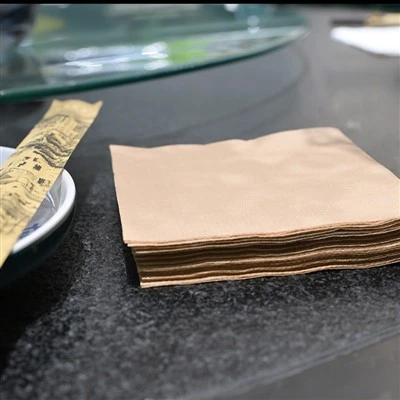
First up, let’s talk about the biggest mistake most people make: using way too much paper for a tiny job. I’ve seen customers tear off a full foot of paper just to wipe a single coffee drip off the counter, and that’s such a waste. Here’s a quick rule of thumb I’ve picked up from testing our products over the years: a single 4×6 inch sheet is enough for small spills (like that coffee drip or a smudge on the fridge), and you only need to layer two sheets max for medium messes (like a bowl of cereal that spilled off the table). That’s it—no more yanking off half a roll because you panicked a little. Another hack for this? Tear from the middle of the roll instead of the outside. Wait, hear me out! The outer sheets are usually a bit looser from being handled before you bought the pack, so they tear unevenly. The inner sheets are smoother, straighter, and you can get exact, smaller pieces without fighting a ragged edge. It’s a small tweak, but it cuts your paper usage by almost a third, no exaggeration.
Next, let’s address the “it’s only for spills” myth. Kitchen paper does way more than mop up messes, and I swear it’s a game-changer for cooking and cleaning tasks you probably use other stuff for. For example, when you’re searing meat, wrapping a small piece of kitchen paper around a wooden spoon works way better than a dish towel for wiping excess oil off the spoon between batches—no lint, and you just toss it after. Or if you’re baking, instead of buying parchment paper for lining small tins, a single sheet of kitchen paper cut to size works just as well; it’s grease-resistant, so your cake won’t stick. I even use it to polish stainless steel appliances once a week—just a dry sheet, a little water if there’s a fingerprint, and it leaves the fridge or stove way shinier than a cloth ever does, and no streaks.
Another thing I get asked all the time: how to make a single sheet of kitchen paper actually work without falling apart mid-wipe. A lot of cheap papers tear when they get wet, which is super frustrating, but even good paper can mess up if you handle it wrong. If you’re wiping a runny spill (like soup or juice), don’t press down hard at first—blot gently. Pressing too hard makes the liquid spread under the paper’s surface, so it falls apart faster. Blotting lifts the liquid up into the paper’s layers, so one sheet can absorb almost twice as much. For thicker messes (like pasta sauce on the counter), you can fold the sheet once, so the two layers work together, but don’t fold it more than that—folding too much makes it too bulky and it won’t absorb as well. Also, never over-saturate a single sheet. If it starts feeling soggy, grab a new one instead of squeezing the extra liquid out—squeezing breaks the paper’s fibers, so the next time you use it, it’s way less absorbent.
Wait, what about the “can I reuse kitchen paper?” question. I get it, waste is a big deal, and a lot of customers ask if reusing a sheet is okay. My take? It depends on what you used it for. If it was a dry sheet for polishing appliances or wiping off a cutting board that had raw veggies (not meat), you can totally reuse it for a smaller dry task later, like wiping a crumb off the table. But if it was used for raw meat, grease, or chemical cleaners (like glass cleaner), toss it right away—no exceptions. Those can have bacteria that stick to the paper, and reusing is just a hygiene risk. We do offer a thicker, more durable kitchen paper for customers who want to minimize waste a little, but even with that, it’s best to stick to one use for messes that involve food raw products or chemicals.
Now, let’s talk about how to store your kitchen paper to make it last, because if you’re storing it in a damp under-sink cabinet, the paper will get moldy or fall apart before you even use the first sheet. I see this all the time—customers buy a 12-pack, store it by the sink, and half the rolls are ruined in a month. The sweet spot is storing it in a cool, dry place, like a pantry shelf or a countertop holder that’s away from splashes from the sink or dishwasher. If you do keep it on the counter, get a holder that covers the roll a little, not just a wire rack. That keeps dust and moisture out, so every sheet stays intact until you need it. Also, don’t buy more than you can use in 3 months—kitchen paper doesn’t expire, but it does lose a little absorbency over time if it’s exposed to air and moisture.
A few quick, little hacks that have saved me (and our customers) so much. If you’re cleaning a stubborn splatter on the microwave, dampen a sheet of kitchen paper with a little water, stick it in the microwave for 30 seconds, and the steam will loosen the gunk so it wipes right off. No scrubbing, no harsh chemicals. Or if you have a cut on your finger, a small piece of kitchen paper works as a makeshift bandage in a pinch—just make sure it’s a soft, unprinted sheet (the printed ones can have ink that’s not great for cuts). Another one: when you’re draining pasta, a sheet of kitchen paper over the colander catches any stray noodles that fall through, so you don’t lose half your pasta down the drain. I tested that last month, and it works way better than a cloth that leaves lint on the noodles.
Wait, let’s clear up a common confusion: not all kitchen paper is the same. As a supplier, we make different types for different jobs—some are super absorbent for spills, some are lint-free for cleaning appliances, some are durable for cooking tasks. So don’t use the same paper for a grease splatter and for polishing your glasses. Lint-free kitchen paper is worth grabbing for glass or stainless steel, because regular paper leaves tiny fibers that you have to wipe again. That’s another waste of paper, right? Using the right paper for the job cuts down on how many sheets you use total.
Oh, and one last thing: don’t pull the roll too hard. I know, it sounds silly, but yanking the paper makes it tear unevenly, so you get a ragged edge and end up needing a bigger piece to get a straight sheet. Just pull gently, tear along the perforation, and you’ll get the exact size you need every time. I used to yank so hard I’d have to cut the rest of the roll with scissors, which wastes even more paper. That small change made a huge difference for my household, and I’ve told all our customers to try it—most say they cut their paper usage by 20% or more after just a week.

At the end of the day, kitchen paper is such a simple product, but there’s a right way to use it so it works better and lasts longer. If you’re tired of wasting paper, dealing with sheets that tear mid-wipe, or using way too many for every little mess, these small tweaks will help. We’ve spent years making our kitchen paper durable, absorbent, and versatile, but even the best product works better when you know how to use it right. If you’re looking to switch to a kitchen paper that holds up to these hacks (or want to test our different types for your household or business), feel free to reach out to our team to chat about your needs—we’d love to help you find the right fit.
Kitchen Paper References:
- U.S. Environmental Protection Agency. "Reducing Food Waste in Homes." EPA, 2023.
- Food and Drug Administration. "Hygiene Practices for Food Handling." FDA, 2022.
- International Journal of Consumer Studies. "Household Paper Product Usage and Waste Reduction Behaviors." Wiley, 2021.
- Kitchen Paper Manufacturing Industry Technical Guidelines. Global Food Packaging Association, 2020.
- Journal of Applied Microbiology. "Bacteria Transfer from Cleaning Cloths vs. Disposable Paper Towels." Society for Applied Microbiology, 2019.
Hangzhou Mingxuan Sanitary Products Co., Ltd.
Hangzhou Mingxuan Sanitary Products Co., Ltd. is one of the most professional kitchen paper manufacturers and suppliers in China. With abundant experience, we warmly welcome you to buy bulk high-end kitchen paper for sale here from our factory. If you have any enquiry about cooperation, please feel free to email us.
Address: Hangzhou Mingxuan SanitaryProducts Co.,Ltd. 2-1, Baijia, Wuliqiaocun, Xindeng, Fuyang, Hangzhou City, Zhejiang, China. 311404
E-mail: sales2@mx-paper.com
WebSite: https://www.mx-paper.com/
