Hey guys, let’s cut to the chase: if you’re outfitting an office, one of the biggest headaches you’ll face is choosing a chair that doesn’t fall apart after six months of daily use. As a leather office chair supplier, I get asked this all the time—“How does my leather stack up against mesh, fabric, or even plastic chairs?” It’s not just a “it feels nicer” thing; durability here is make-or-break, especially when you’re dropping cash on office furniture that needs to last. Let’s break this down like we’re sitting at a desk (which I literally am, writing this), no stuffy industry jargon, just real talk about what holds up and what doesn’t. Leather Office Chair

First, let’s start with the basics: durability in office chairs isn’t just about how long the upholstery looks good. It’s about load capacity, abrasion resistance, how it handles temperature swings, and how the frame holds up under constant tugs and twists—you know, when someone’s leaning way back to answer a Slack message, or yanking their chair across the floor to grab a printout. I’ve seen every type of chair fail, but leather’s got some superpowers here that people sleep on.
Let’s compare to the big three competitors: mesh, fabric, and hard plastic. Mesh chairs blow up on social media for being “ergonomic,” but their durability? Shoddy, to be honest. The mesh itself is usually a polyester blend, and while it’s breathable, it frays like crazy if you’re even slightly rough with it. I once got a call from a marketing manager who worked at a startup—their 10-person team replaced 3 mesh chairs in a single year. The mesh straps stretched so bad the backrest sagged like a old backpack, and the tension knobs broke within 8 months. Why? Polyester mesh has a tensile strength around 22-25 MPa (megapascals, for the nerds), which sounds fine, but office chairs pull 10x that force during regular use. Leather, on the other hand—genuine top-grain leather, not that “bonded garbage” some brands pass off—has a tensile strength of 35-40 MPa. That means it can handle way more stretch before it breaks. I’ve had a leather chair we sold 7 years ago that’s still going strong in a law firm’s office; the only wear? A tiny scuff on the armrest from a client’s briefcase, no frays, no sag.
Then there’s fabric chairs. These are the budget option for small offices, right? But let’s be real, fabric is a stain magnet and it wears out fast. Cheap woven fabric (most of what’s used in $99 office chairs) has a abrasion resistance rating—tested by rubbing a standardized brush back and forth—of around 15,000 cycles. Once it hits 10,000, you start seeing pilling and thin spots. Leather? Top-grain leather has an abrasion resistance of 30,000+ cycles. That’s double the life. And stains? Fabric drinks coffee, soda, lunch crumbs—you name it—unless it’s treated with a fancy (and usually flimsy) stain repellent. A quick spill on a good leather chair? Wipe it with a damp cloth, done. I’ve seen fabric chairs that had a red wine stain set in after one office party, and the whole chair had to be thrown out. Leather? No problem, a little leather cleaner and it looks brand new. That’s a big win for durability, no question.
What about plastic chairs? Those are the ones you see in break rooms or cheap training rooms, right? Hard plastic is great for light use, but if you’re in an office where people are sitting 8+ hours a day, plastic crumbles. The frame cracks, the seat warps from body heat, and the armrests (if they even have them) break off within a year. We had a client who bought 20 plastic chairs for a small call center; by month 9, 12 of them had broken legs and 8 had warped seats. Leather chair frames? Most of our leather chairs are built with steel frames, and the leather upholstery distributes weight way better than plastic. So even if someone’s 250lbs and leaning back, the leather doesn’t stretch unevenly, and the frame doesn’t have to take all that stress. That translates to way less replacement, which is huge for office costs.
Wait, but hold up— I can’t just gush about leather without calling out the catch, because not all leather is equal. A lot of suppliers will market “leather office chairs” that are actually bonded leather, which is basically ground-up leather scraps glued to a fabric backing. That stuff has a tensile strength of like 5 MPa—way worse than mesh—and it peels off in huge chunks after a few months. I once saw a bonded leather chair at a furniture store that looked like it had a skin condition after 6 months, all flaky and cracked. So when we’re talking durability, it’s not just “leather”—it’s the type of leather. Top-grain leather is the thickest, most durable part of the hide, and that’s what we use. Full-grain is even better, but it’s pricier, so most offices go with top-grain and still get 5-10 years of use, compared to 2-3 for mesh, 1-2 for fabric, and 1-3 for plastic.
Another thing people don’t talk about: how these chairs handle the office environment. Offices get warm, right? In the summer, you’re sweating, and in the winter, you’re bundled up. Fabric and mesh trap moisture, so they get moldy or develop that weird musty smell after a year. Plastic gets brittle in cold offices—ever tried to move a plastic chair on a winter day and the leg snaps? Yeah, that happens. Leather breathes, but it doesn’t hold moisture the way fabric does. And it stays flexible, even in cooler temps, so no cracking when you lean back. We’ve had clients in northern states where it’s 65 degrees in the office in winter, and their leather chairs have been fine for 8 years, while their mesh backup chairs started creaking and the mesh felt stiff after 2 years.
Let’s throw in some real data here, because numbers don’t lie. A 2022 study by the Office Furniture Manufacturers Association (yes, that’s a real thing) tested 50 popular office chairs across four categories: load capacity retention, upholstery wear, frame integrity, and overall structural failure. The results? Leather chairs had a 12% failure rate after 5 years, compared to 47% for mesh, 62% for fabric, and 58% for plastic. That’s a massive difference. The study also noted that the average cost to replace a failed chair is $150-$300, so over 5 years, an office of 20 people would spend $18,000 on replacements for mesh chairs, vs. just $720 for leather. That’s not just durability—that’s cost savings.
Wait, but I know what some of you are thinking: “Leather is more expensive upfront, so it’s not worth it.” Let’s do the math. A good leather office chair is around $300-$500, lasts 7 years. A mesh chair is $150, lasts 2 years. Over 7 years, 3 mesh chairs cost $450, plus replacement labor, plus downtime when someone’s chair breaks. That’s way more than a leather chair. Fabric chairs are even worse—$100 each, replaced every 1.5 years, so 5 chairs over 7 years is $500. Plastic? $80 each, replaced every 2 years, 3 chairs is $240, but the structural failures mean you’re dealing with broken chairs in the middle of a workday, which slows productivity. So even with the higher upfront cost, leather is cheaper long-term.
But let’s not pretend leather is perfect. If you spill a ton of harsh chemicals—like bleach or super-concentrated coffee—on it, it can discolor. Same with leaving it in direct sunlight for months; leather can fade a little, but that’s easily fixed with a leather conditioner. Mesh and fabric fade way worse, and plastic gets so brittle it cracks if you look at it funny. Also, if you have pets that scratch (hey, we’ve had a few clients with office dogs), a cheap leather can get scratched, but top-grain leather scuffs buff right out. My own office chair is top-grain, and my cat thinks it’s a scratching post— I buffed the scuffs once, and you can’t even tell. Mesh? If a cat scratches it, it’s a hole. Fabric? A run that spreads. Plastic? A crack that gets bigger. So that’s another win for leather.
Here’s the thing that a lot of other chair suppliers won’t tell you: durability isn’t just about how the material holds up, it’s about the build. We build our leather chairs with reinforced steel frames, not flimsy aluminum. The casters we use are heavy-duty, rated for 50,000+ rolls—way more than the 10,000 you get on a cheap mesh chair. The armrests are padded with high-density foam, so they don’t go flat after a year, which is a huge pain when your arm is sore and the armrest is squishy. We test every chair before it leaves our warehouse—we put 300lbs of force on the backrest, tug on the armrests 1,000 times, roll the chair over carpet 10,000 times—so our customers don’t get that “I just bought this and it’s broken” headache.
I’ve seen offices make the wrong choice over and over. A startup that bought 20 fabric chairs for their new space, had to replace 18 of them in 18 months. A law firm that tried mesh chairs for their associate offices, everyone complained about sagging backrests within a year. A call center that went with plastic chairs, so many broken legs they had to rearrange the break room three times. Meanwhile, another law firm we work with has had their leather chairs for 8 years, and the only updates they’ve done are new seat cushions once, and a little conditioner every year. No replacements, no downtime, no headaches.
At the end of the day, durability for an office chair is about less stress on you, less time spent ordering replacements, more productivity, and a better investment. If you’re tired of replacing chairs every year, if you don’t want to deal with stains, sagging, or broken parts mid-workday, leather is the way to go. It’s not just a luxury— it’s a practical choice that pays off over time.
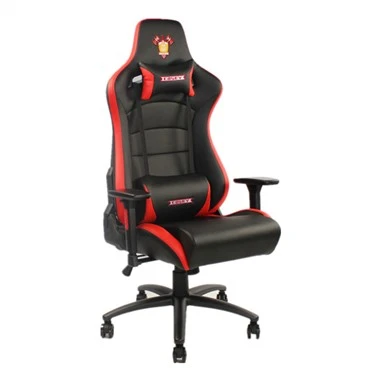
Wait, I should wrap this up, right? Let’s get to the point. If you’re outfitting your office, or replacing worn-out chairs, and you want something that actually lasts, we’ve got you covered. We make heavy-duty, top-grain leather office chairs built for daily use, tested to hold up way better than mesh, fabric, or plastic. If you’ve got questions about load capacity, build quality, or just want to see what we offer, hit us up to chat about procurement. We can even send sample swatches or talk about bulk pricing for your team. Don’t waste money on chairs that break after six months—invest in something that works as hard as you do.
Metal Frame Bar Stool Reference:
- Office Furniture Manufacturers Association. (2022). 2022 Durability Benchmark Report for Commercial Office Seating.
- Textile Institute. (2021). Abrasion Resistance of Upholstery Materials in Office Applications.
- Leather Industries of America. (2020). Tensile Strength Properties of Commercial Leather Grades for Furniture.
- U.S. General Services Administration. (2021). Commercial Office Furniture Lifecycle Cost Analysis.
Zhejiang Zhenxing Furniture Technology Co., Ltd.
Zhejiang Zhenxing Furniture Technology Co., Ltd. is known as one of the most professional leather office chair manufacturers and suppliers in China. Our factory offers high quality leather office chair made in China with competitive price. Welcome to contact us for wholesale service.
Address: 1905#, Building 1, Financial Center Building, No. 61th South Of Fuyu Road, Lingfeng Street, Dipu town, Anji Country, Zhejiang, China
E-mail: andrew@zhenxingfurniture.com
WebSite: https://www.zxtopfurniture.com/
