If you’ve ever stared at a soda can label or a low-sugar frozen dinner ingredient list, you’ve almost certainly seen sucralose. As a supplier of sucralose, I get asked this question all the time: can sucralose cause weight gain? It’s a topic that sparks a lot of confusion—from social media hot takes to conflicting study results, and it’s one that deserves more than a quick viral answer. Let’s break this down, mixing what we know from peer-reviewed science, the real-world use of the sweetener we provide, and the nuance that makes this topic so much more complicated than “artificial sweetener = weight loss” or “artificial sweetener = fattening.” Sucralose

First, let’s ground ourselves in what sucralose actually is. It’s a non-nutritive sweetener (NNS) made by modifying sucrose (table sugar) molecules by replacing three hydrogen-oxygen groups with chlorine atoms. That tiny chemical tweak is why it’s 600 times sweeter than sugar, has zero calories, and doesn’t raise blood sugar levels—properties that made it a go-to for people looking to cut sugar and calorie intake, whether for weight management, diabetes control, or just a sweet tooth without the crash. I’ve spent years working with sucralose in our manufacturing facility, and I can tell you: it’s remarkably stable, too. It doesn’t break down when baked, unlike some other NNS, so it shows up in everything from protein bars to homemade cookies that call for low-sugar swaps. That versatility is part of why its use has exploded globally over the past two decades—per data from the World Health Organization (WHO), global consumption of sucralose increased by more than 150% between 2000 and 2020, outpacing many other artificial sweeteners.
Now, the weight gain question is where things get murky, and that’s because it’s easy to oversimplify. Early observational studies linked NNS like sucralose to higher body mass index (BMI) and weight gain over time. For example, a 2008 study in the American Journal of Clinical Nutrition tracked over 60,000 women for 10 years and found that those who drank one or more diet sodas a day (often sweetened with sucralose) gained twice as much weight as women who didn’t drink any. These studies are correlation, though—they can’t prove causation. Is sucralose causing the weight gain, or are people who are already overweight or at risk for weight gain more likely to reach for diet sodas as a quick fix? That’s the critical detail most headlines skip over.
More recent randomized controlled trials (RCTs)—the gold standard for medical research, where participants are randomly assigned to use sucralose or a sugar control group—have painted a far more mixed picture. A 2021 Cochrane Review of 37 RCTs with over 4,000 participants found that NNS like sucralose led to small, short-term weight loss (about 1.3 pounds more than a sugar control group over 6 to 12 months) but no significant long-term weight difference after a year. That’s a far cry from the bold claims you’ll see online. It doesn’t mean sucralose causes weight gain, but it also doesn’t mean it’s a magic bullet for shedding pounds. So why the discrepancy between observational studies and RCTs?
The next piece of the puzzle is the biological theories that have been proposed to link sucralose to weight gain, and most of them fall short of being proven. One common claim is that sucralose disrupts gut bacteria, leading to metabolic changes that cause weight gain. A small 2014 study in Nature found that mice given sucralose had altered gut microbiota, increased blood sugar levels, and weight gain compared to mice not given the sweetener. But follow-up studies in humans have failed to replicate these results consistently. A 2020 study in Cell Metabolism gave human participants either sucralose, stevia, or no sweetener for a week, then had them test their blood sugar responses to a glucose load. Only about a quarter of the participants had significant changes in blood sugar after sucralose exposure, and those changes varied wildly between people—some had increases, some had decreases. The researchers concluded that sucralose’s effect on metabolism is highly individual, not a universal rule that applies to everyone.
Another theory is that sucralose tricks our brain into craving more sweet foods, leading to overeating and weight gain. The idea is that our taste buds detect sucralose as sweet, so our brain releases insulin in anticipation of calories, and when those calories don’t come, we end up feeling hungry and eating more later. But again, research here is inconsistent. Some small studies have found increased appetite after sucralose consumption, while larger RCTs have found no difference in overall calorie intake between people who use sucralose and those who use sugar. A 2019 study in the American Journal of Clinical Nutrition tracked over 1,000 adults for two years and found no link between sucralose use and increased food intake, even among people who reported frequent use.
So where do these conflicting results leave us? The short answer is: it depends on the person and how sucralose fits into their overall diet and lifestyle. That’s something I’ve seen firsthand working with our clients—from small-batch bakeries to large food manufacturers. A parent using sucralose to make low-sugar muffins for their kid who has diabetes is having a very different experience than someone who drinks three diet sodas sweetened with sucralose a day as a replacement for water and whole foods. Context is everything.
Let’s also talk about what’s not being said in most of the sucralose-weight gain debates: weight gain is almost never caused by a single ingredient. It’s the result of overall calorie intake, physical activity, sleep, stress, genetics, and the quality of the foods you eat. Sucralose is a zero-calorie swap for sugar, so if you use it to cut empty calories from sugar, it can help with weight management—if you don’t replace those calories with other high-calorie foods. But if you drink a diet soda sweetened with sucralose on top of a large pizza and a bag of chips, the sucralose isn’t the cause of the excess calories; your overall choices are.
There’s also the issue of regulatory safety, which is non-negotiable for a supplier like us. Sucralose has been approved for use in over 100 countries, including by the U.S. Food and Drug Administration (FDA), the European Food Safety Authority (EFSA), and the WHO’s Joint FAO/WHO Expert Committee on Food Additives (JECFA). The acceptable daily intake (ADI) for sucralose is 5 milligrams per kilogram of body weight per day—for a 150-pound adult, that’s about 34 sucralose-sweetened sodas, or more than 100 individual packets of sucralose. For most people, regular use of sucralose within the ADI is not associated with negative health effects, per decades of toxicological and epidemiological research.
That said, there are valid concerns to consider, even if they don’t align with the “sucralose causes weight gain” narrative. For people who use sucralose as a crutch to avoid addressing their overall diet, it can become part of a pattern of relying on highly processed, sweet foods instead of whole foods like fruits, vegetables, and lean proteins. For example, someone who eats a sugary cereal for breakfast, uses a sucralose-sweetened coffee creamer, a diet soda at lunch, and a sucralose-sweetened dessert after dinner is eating a lot of highly processed foods that, while low in calories, are high in artificial ingredients and low in fiber, which helps keep you full. That’s a recipe for overeating, but the culprit isn’t the sucralose—it’s the overall quality of the diet.
As someone who works with sucralose every day, I also see how it’s being used to address real, unmet needs. For people with type 2 diabetes, cutting sugar intake is critical for managing blood sugar, and sucralose is a tool that lets them enjoy sweet foods without spiking their glucose levels. For people with obesity, small, sustainable swaps (like replacing a sugary soda with a sucralose-sweetened one) can lead to meaningful weight loss over time, especially when paired with physical activity. The problem isn’t the sweetener itself—it’s the way it’s often presented as a “free pass” to eat whatever you want, which it never is.
So, to circle back to the original question: can sucralose cause weight gain? The answer is not a simple yes or no. The science doesn’t support a universal link between moderate, appropriate sucralose use and weight gain. In fact, for many people, using sucralose as a low-calorie sugar swap can support weight management when used mindfully. But it’s not a magic solution. The biggest takeaway is that sucralose is one small part of a much larger picture. If you’re relying on it to offset an otherwise unhealthy diet, or if you’re overconsuming it to the point where it replaces nutrient-dense foods, you may run into issues related to overall calorie balance, not the sucralose itself.
As a supplier, my job is to provide a safe, high-quality sweetener that meets the needs of our clients—whether that’s a bakery making low-sugar pastries, a beverage company creating a zero-calorie soda, or a medical food company developing products for people with dietary restrictions. But I also think it’s important to be transparent about what the science says and doesn’t say. Sucralose isn’t a villain, and it isn’t a miracle. It’s a tool, and like any tool, its effect on your weight and health depends on how you use it.
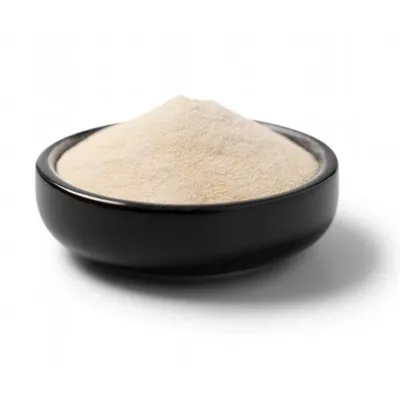
If you’re a food manufacturer, dietitian, or other professional looking to incorporate sucralose into your products or work with a reliable supplier, we’re here to talk. Whatever your needs—whether it’s bulk sucralose for large-scale production, custom formulations, or guidance on how to use the sweetener to meet consumer demand for low-sugar options—we can help you find a solution that fits.
Acidulants References:
- Fowler SP, et al. A prospective study of the association between sugar and artficially sweetened beverage consumption and incident weight gain in women. Am J Clin Nutr. 2008;88(4):1086-1092.
- Gardner C, et al. Non-nutritive sweeteners for weight and cardiometabolic health. Cochrane Database Syst Rev. 2021;5(5):CD013285.
- Suez J, et al. Metabolically adverse effects of non-caloric artificial sweeteners. Nature. 2014;514(7521):181-186.
- Suez J, et al. Personalized metabolism of non-nutritive sweeteners in humans. Cell Metab. 2020;31(3):507-520.e5.
- Brown RJ, et al. Non-nutritive sweetener consumption and energy intake and body weight: a systematic review and meta-analysis of randomized controlled trials. Am J Clin Nutr. 2019;109(4):1051-1062.
- U.S. Food and Drug Administration. Sucralose: Priority Review and Approval. Available on FDA.gov.
- European Food Safety Authority. Scientific opinion on the safety of sucralose. EFSA J. 2015;13(7):4165.
- Joint FAO/WHO Expert Committee on Food Additives. Evaluation of certain food additives and contaminants. WHO Food Additives Series 52. 2004.
Fudijia (Tianjin) Supply Chain Co., Ltd.
With abundant experience, we re one of the most professional sucralose manufacturers and suppliers in China. We warmly welcome you to wholesale bulk high quality sucralose made in China here from our factory. For more information, contact us now.
Address: 301-2-1C,Jin Bin Jie Zuo,No.98, Huanghai Road,TEDA, Tianjin, China
E-mail: foodchem@hjlfoods.com
WebSite: https://www.ifoodchem.com/
