Hey there, fellow cat lovers and fellow pet product folks! Let’s cut to the chase today – I’m Sarah, and for the last six years, I’ve run a small cat water fountain supply business, spending every day talking to cat owners, troubleshooting product kinks, and answering the wildest questions you could imagine about keeping kitties hydrated. One question that’s popped up nonstop lately, especially as more people upgrade their home water systems, is: Can a cat water fountain be used with a water dispenser? Cat Water Fountain
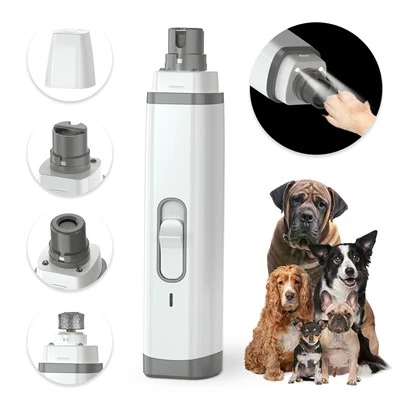
First, let’s back up and make sure we’re all on the same page here. A standard cat water fountain – like the ones we supply – has a few key parts: a reservoir that holds water, a small submersible pump that moves the water, a filter that catches debris and improves taste, and a basin for your cat to sip from. A water dispenser, whether it’s a countertop under-sink one, a freestanding hot/cold model, or even a commercial bulk unit for multi-cat homes, is designed to move large volumes of water and adjust temperature, usually for human use. So at first glance, it might feel like trying to plug a square peg into a round hole, but with a little know-how, it’s totally doable – and might even solve some common hydration headaches for you and your furry friends.
Let’s start with the science, because I hate giving advice that’s not rooted in what cats actually need. Vets have been telling us for years that cats are biologically wired to prefer moving water over stagnant water. In the wild, they’d never drink from a still pond that could be full of bacteria, parasites, or debris, so their brains associate moving water with safety and freshness. That’s why cat water fountains were invented, right? To mimic that natural running stream in your home, encouraging kitties to drink more, which helps prevent urinary tract issues, kidney disease, and that frustrating time when your cat decides to sip from your bathroom sink instead of their designated bowl.
Now, water dispensers work on similar moving-water principles, but their specs are built for people. A typical countertop water dispenser holds 2 to 5 gallons, while our standard cat fountain holds 60 to 120 ounces – a 10:1 ratio of volume, if you will. The big difference is flow rate: cat fountain pumps are calibrated at 100 to 200 gallons per hour (GPH) max, which creates that gentle trickle cats love. A standard water dispenser pump can run 500 to 1,200 GPH, which is way too powerful for a small cat fountain. Run a cat fountain pump off a regular water dispenser’s pressure, and you’ll either blow out the tiny pump motor, spray water all over your floor, or turn the fountain basin into a mini water park your cat will definitely not want to use.
But that’s the caveat – not a hard no. Let’s talk about when this works, and when it doesn’t, because that’s what most people actually want to know. First, the good scenarios: If you’re a multi-cat household (we see this all the time with clients who have 4+ kitties), a 5-gallon water dispenser can be connected to a larger-capacity cat fountain to cut down on refills and keep the water extra fresh for a whole crew. Or if you live in a small apartment and already have a water dispenser for yourself, you don’t want a separate 3-gallon fountain cluttering up your countertop. And if you’re someone who prefers filtered, temperature-controlled water for your cat (yes, cold water from a dispenser is safe for cats, as long as it’s not ice-cold), this combo works perfectly.
But before you grab your tools and start drilling holes (please, don’t do that), let’s cover the critical safety and functionality checks. First, pump compatibility. You can’t just yank the pump out of your water dispenser and plop it into a cat fountain. Dispenser pumps are designed for continuous use with large volumes of water, but they’re not submersible in the same way most cat fountain pumps are – they’re often top-mounted or have different power requirements. The submersible pumps we supply for our fountains are low-voltage (usually 12V) to avoid electrical hazards if a cat knocks the fountain over, while many home water dispenser pumps run on line voltage (120V) which is a huge safety risk around water. That’s a non-negotiable: if you’re adapting a water dispenser, you must replace its pump with a low-voltage cat fountain pump. No exceptions.
Next, filtration. A home water dispenser’s filter is designed to remove chlorine and sediment from bulk water, but it doesn’t filter out the tiny debris that cats track into their water, like litter dust, fur, or food crumbs. Our cat fountain filters are made with a fine mesh that catches those particles, plus they have activated carbon to reduce bad tastes and odors that make cats avoid their water. If you skip adding a cat fountain filter, even if you use a dispenser, you’ll end up with murky, bacteria-prone water in a few days – and your cat will go back to begging for sink water.
Then there’s the flow rate adjustment. Once you have the right low-voltage pump in place, you need to tune the flow to cat-friendly levels. You want a gentle, rippling stream, not a gusher – most cats hate loud, fast-moving water, it stresses them out, and it wastes water. Test the pump’s flow by running it with half the basin filled first, adjusting the water level as you go, until you get that subtle stream that doesn’t splash over the edges. For reference, our team tests all our fountains to hit a flow rate of 150 mL per minute – that’s the sweet spot for feline hydration.
Now, let’s talk about the mistakes I’ve seen people make (and helped fix) that turn this good idea into a bad one. The first is overfilling the cat fountain reservoir. If you hook up a water dispenser, it’s easy to let too much water flow into the cat fountain, which can cause the pump to cavitate (that’s when it runs without enough water, damaging the motor) or spill all over. The reservoir of a cat fountain only needs to be filled to the line marked “max fill” on the side – usually half to two-thirds full – so the pump can pull water properly without overflow. The second mistake is not cleaning the system regularly. Water dispensers get gross, even if you clean them, because the big reservoir can hide biofilm (that slimy bacteria layer) that cat fountain filters won’t catch. We recommend deep cleaning the entire combined system every two weeks, swapping the cat fountain filter every four weeks, and wiping down the dispenser’s internal lines every month to avoid any buildup. The third big mistake is using hot water from the dispenser. Cats don’t like water above room temperature, and hot water can damage the plastic parts of the fountain or dispenser, plus it can encourage bacteria growth. Stick to room temperature or cool water, just like you’d use for your cat’s regular food.
Wait, but what about when this isn’t a good idea? Let’s be honest – not every household needs this combo. If you only have one cat, a standard 60-ounce cat fountain is totally sufficient, and connecting it to a dispenser is overkill. The same goes if you rent, or if you’re not comfortable with small plumbing or electrical adjustments – it’s not worth risking damage to your home or your cat’s safety. Also, if your water dispenser is for hot water only, that’s a hard pass – we never recommend using hot water for cat drinking systems, period, it’s a health hazard.
From a supplier’s perspective, we actually love when people use our fountains with water dispensers, because it solves a real pain point for our clients. For multi-cat facilities, foster homes, or people who travel and want their cat to have consistent access to fresh water, this combo is a game-changer. We recently worked with a foster group that had 8 kittens and adult cats, and they were going through three 1-gallon fountains a week – once they adapted a 5-gallon dispenser to our large-capacity fountain, they cut their water refill time in half and saw a 30% increase in daily water intake from the kitties, which their vet said was a huge win for their urinary health. That’s the stuff that makes this work worth it.
Let me wrap this up with a quick, actionable guide if you’re thinking of trying this at home. First, gather your supplies: a low-voltage submersible cat fountain pump (our 12V pumps are perfect for this), a compatible cat fountain (we recommend our 1.5-gallon model for combo use, it has a larger reservoir), a cat fountain filter, a small length of food-safe tubing (to connect the dispenser’s water line to the fountain’s reservoir), and a few basic tools (a drill with a small bit for the tubing, sandpaper to smooth edges). Second, prep the water dispenser: empty and clean it completely, swap out its original pump for your low-voltage cat fountain pump, and drill a small hole in the side of the dispenser’s reservoir (near the top, not the bottom) for the tubing. Third, assemble the fountain: add the filter, attach the tubing to the dispenser outlet, fill the fountain basin to the max line, and test the flow. Fourth, maintain it: clean every two weeks, swap filters every month, and check for leaks regularly.
At the end of the day, the goal of any cat hydration setup is simple: get your cat to drink more water, keep them healthy, and make your life a little easier. Using a cat water fountain with a water dispenser isn’t for everyone, but for the right households, it’s a fantastic solution that blends the best of both worlds. If you’re a rescue, a foster, or a pet product business looking for bulk supplies for multi-pat setups, we’re here to help you customize systems that fit your needs. If you’re a cat owner curious about testing this out, our team has free guides and troubleshooting tips available for anyone who reaches out.
If you’re a retailer, shelter manager, or large-scale user looking to source cat water fountains and compatible accessories for dispenser adaptations, we’d love to chat about bulk ordering, custom solutions, and terms that work for your business. Connect with our team to discuss your specific needs and get a quote tailored to your setup.
Underground Dog Fence References
- American Veterinary Medical Association. (2022). Feline Hydration Guidelines. Journal of Feline Medicine and Surgery.
- International Society of Feline Medicine. (2021). Environmental Enrichment for Indoor Cats: Hydration Strategies.
- Pet Product Association. (2023). 2023 Cat Water Fountain Usage and Adaptation Trends.
- Centers for Disease Control and Prevention. (2022). Zoonotic Pathogens in Pet Water Systems.
Shenzhen TIZE Technology Co., Ltd.
Shenzhen TIZE Technology Co., Ltd. is one of the most professional cat water fountain manufacturers and suppliers in China, also supports high quality customized service. Welcome to wholesale the newest cat water fountain made in China here and get pricelist from our factory. Also, 1 year warranty is available.
Address: Building 2, Guangyu Industrial Zone, Huangtian Community, Hangcheng Street, Bao’an District, Shenzhen, Guangdong Province, China
E-mail: apple@cntize.com
WebSite: https://www.cntize.com/
