What are the maintenance costs of grinding and polishing lines?
As a supplier of Grinding and Polishing Lines, I’ve had the privilege of working closely with numerous clients across various industries. One question that frequently arises during our discussions is about the maintenance costs of these lines. Understanding these costs is crucial for businesses aiming to optimize their operations and budget effectively. In this blog, I’ll break down the various components of maintenance costs for grinding and polishing lines, provide some insights on cost management, and emphasize the importance of regular maintenance. Grinding and Polishing Lines
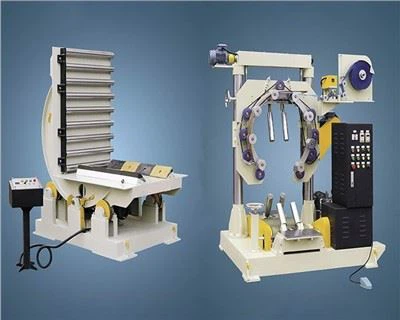
Direct Maintenance Costs
Direct maintenance costs are the most obvious expenses associated with keeping a grinding and polishing line in good working condition. These costs can be further classified into the following categories:
1. Replacement Parts
Grinding and polishing lines consist of multiple components such as grinding wheels, polishing pads, belts, motors, and bearings. Over time, these parts wear out due to continuous use and need to be replaced. The cost of replacement parts can vary significantly depending on the type of line, the quality of the parts, and the manufacturer. For example, high – quality grinding wheels made from advanced abrasives may be more expensive but can offer longer service life and better performance.
On average, businesses can expect to spend anywhere from a few hundred to several thousand dollars on replacement parts annually, depending on the scale and complexity of their grinding and polishing operations. For smaller, less – complex lines, the annual cost of replacement parts may be around $500 – $2000. However, for large – scale industrial lines with multiple stations and high – precision requirements, the cost can easily exceed $10,000 per year.
2. Labor Costs
Skilled technicians are required to perform maintenance tasks on grinding and polishing lines. These tasks include routine inspections, part replacements, and troubleshooting. Labor costs can vary based on the region, the level of expertise required, and whether the maintenance is carried out in – house or by an external service provider.
In – house maintenance teams can offer the advantage of quick response times and in – depth knowledge of the company’s specific equipment. However, hiring and training skilled technicians can be expensive. On average, the hourly rate for a maintenance technician in the United States can range from $20 to $50. If a grinding and polishing line requires, say, 20 hours of maintenance per month, the monthly labor cost could be between $400 and $1000.
External service providers may charge a flat fee for maintenance contracts, which can range from a few thousand dollars to tens of thousands of dollars per year, depending on the scope of services and the complexity of the equipment.
3. Lubricants and Coolants
Grinding and polishing operations generate a significant amount of heat, which can damage the equipment and reduce the quality of the finished product. Lubricants and coolants are used to dissipate heat, reduce friction, and prevent corrosion. The cost of these fluids depends on the type, volume, and frequency of use.
For a medium – sized grinding and polishing line, the annual cost of lubricants and coolants can range from $500 to $3000. High – performance lubricants and coolants may be more expensive but can offer better protection and longer service intervals, which can ultimately lead to cost savings in the long run.
Indirect Maintenance Costs
In addition to direct maintenance costs, there are also indirect costs associated with maintaining grinding and polishing lines. These costs are often overlooked but can have a significant impact on the overall cost of ownership.
1. Downtime
When a grinding and polishing line is out of service for maintenance or repairs, it causes production delays, which can result in lost revenue. The cost of downtime includes not only the lost production but also the potential loss of customers and market share.
The financial impact of downtime can vary widely depending on the industry and the nature of the product. For example, in the automotive industry, where production lines are highly synchronized, a single hour of downtime on a grinding and polishing line can cost thousands of dollars. In a more flexible manufacturing environment, the cost of downtime may be relatively lower. On average, businesses can expect to lose between $1000 and $10,000 per hour of downtime on a grinding and polishing line, depending on the production volume and the value of the product.
2. Quality Control
Poorly maintained grinding and polishing lines can lead to inconsistent product quality, which can result in rework, scrap, and customer complaints. The cost of quality control includes the cost of inspecting products, reworking defective items, and disposing of scrap.
The cost of quality control can be difficult to quantify precisely but can be a significant percentage of the total production cost. For some industries, the cost of quality control due to maintenance – related issues can range from 5% to 20% of the total production cost.
Cost Management Strategies
Managing the maintenance costs of grinding and polishing lines is essential for businesses to remain competitive. Here are some strategies that can help reduce maintenance costs:
1. Predictive Maintenance
Implementing a predictive maintenance program using sensors and monitoring systems can help detect potential problems before they cause major breakdowns. By analyzing data on equipment performance, such as temperature, vibration, and wear, maintenance can be scheduled more efficiently, reducing both downtime and maintenance costs.
For example, if a sensor detects an abnormal increase in the temperature of a motor, maintenance can be scheduled to replace the motor bearings before they fail completely. This can prevent costly unplanned downtime and reduce the need for emergency repairs.
2. Training and Education
Providing regular training to maintenance technicians and operators can improve their skills and knowledge, leading to more effective maintenance and fewer mistakes. Well – trained personnel are more likely to identify issues early, perform maintenance tasks correctly, and operate the equipment efficiently.
3. Supplier Partnerships
Establishing strong partnerships with reliable suppliers of replacement parts, lubricants, and coolants can help businesses negotiate better prices, ensure a steady supply of high – quality products, and receive technical support when needed.
The Importance of Regular Maintenance
Despite the costs associated with maintenance, regular maintenance of grinding and polishing lines is absolutely essential. It helps to ensure the safety of the operators, improve the quality of the finished products, extend the service life of the equipment, and reduce the overall cost of ownership.
Regular maintenance can identify and address small issues before they become major problems, preventing costly breakdowns and production delays. It also helps to maintain the performance and accuracy of the equipment, which is crucial for meeting the high – quality standards required by many industries.

In conclusion, the maintenance costs of grinding and polishing lines consist of direct and indirect costs. By understanding these costs and implementing effective cost management strategies, businesses can optimize their maintenance budgets and improve the efficiency and profitability of their operations.
Cut To Length Line If you’re considering investing in a Grinding and Polishing Line or looking to optimize your existing maintenance costs, I encourage you to get in touch with us. Our team of experts can provide you with detailed information on our products, offer customized maintenance solutions, and help you make informed decisions. Don’t hesitate to reach out and start a discussion about how we can meet your grinding and polishing needs.
References
- "Maintenance Management in Manufacturing: Strategies and Best Practices", Industry Press, 2022.
- "Handbook of Grinding and Polishing Technology", Academic Publishers, 2021.
- Various reports and whitepapers on industrial equipment maintenance from leading research institutions.
Shanghai HOYO Industries Co., Ltd.
Shanghai HOYO Industries Co., Ltd. is one of the most professional grinding and polishing lines manufacturers and suppliers in China, featured by quality products and competitive price. Please rest assured to buy cheap grinding and polishing lines for sale here from our factory. Contact us for customized service.
Address: No.8, Jianding Road, Fengjing Town, Jinshan District, Shanghai, China
E-mail: info@hoyomachinery.com
WebSite: https://www.hoyomachinery.com/
