Hey there, thanks for swinging by! If you’ve ever bought a cleaning spray, a tube of lotion, a batch of industrial paint, or even a jar of pickles, you’ve probably never thought about the tiny, powerful ingredients keeping those products from going bad—until you run into a bottle that’s all moldy or a paint can that’s turned into a sticky mess. As a preservatives and biocides supplier, I talk about this stuff every day, and let’s be real: most folks don’t realize how wildly different the rules are for these ingredients depending on what industry they’re in. I’ve had customers from pharma panic because they used a preservative that’s totally fine for food but illegal in pills, and other guys from the construction side who thought a biocide approved for water treatment would work on wood—and nope, that’s a no-go too. So today, I’m breaking down the regulatory mess (and it is a mess, honestly) across the industries I work with, no stuffy jargon, just the real deal from someone who’s been in the thick of this for years. Preservatives & Biocides
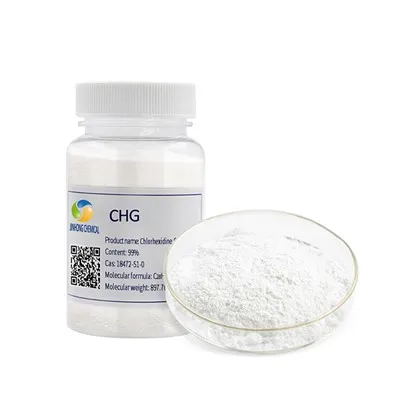
First off, let’s get the basics straight because I still mix these two up sometimes if I’m not paying attention: preservatives are the ones that stop microbes from growing in a product you use or consume, right? Like the stuff that keeps your shampoo from turning into a science experiment on your shower shelf. Biocides are a little broader—they kill or control microbes, often for non-consumer-facing uses, like the gunk that stops bacteria from building up in cooling towers or keeps termites out of wood. The overlap is there, but the regulators see ’em as totally separate, which is where the confusion starts.
Let’s start with the big one that everyone actually cares about: food and beverage. This is the strictest of all, no question. The FDA here in the U.S. has a whole list—GRAS, Generally Recognized As Safe—for preservatives that can touch what ends up on your plate. Think sodium benzoate, potassium sorbate, those are household names. But even in food, it’s not just “is it on the GRAS list?” You’ve got dosage limits, and where it can be used. For example, calcium propionate is great for bread to stop mold, but you can’t dump that same amount into a energy drink—it’ll make the fizz go weird and also, the FDA has a cap on how much can be in beverages. And don’t even get me started on cross-border stuff—over in the EU, they use the EFSA (European Food Safety Authority) and their list is way shorter than the FDA’s. A preservative that’s cool for cereal in the U.S. might get a red flag in Brussels because of some new study on long-term exposure. I had a craft brewery client last year who wanted to switch to a “natural” preservative for their IPA to keep it fresh longer without pasteurizing—they thought it’d be easy, until they found out EFSA hasn’t approved that natural one for beer in the EU, while the FDA’s okay with it for craft drinks. That cost them like 3 months of testing and delays, which killed a whole batch of pre-launch hype.
Next up, personal care and cosmetics—this is another one with super tight rules, especially in the EU. The EU’s Cosmetics Regulation is basically a rulebook that bans like 1,300 ingredients from personal care products, and that includes a ton of common preservatives. Methylisothiazolinone (MIT) was a big one a few years back—they limited it in leave-on products because it was causing contact dermatitis. In the U.S., the FDA doesn’t ban it, but they do have guidance on concentrations, and it’s up to the company to prove it’s safe. But here’s the twist: a lot of preservatives approved for personal care can’t be used in over-the-counter (OTC) drugs. Like, phenoxyethanol is in your face wash, but if you try to put it in a cough syrup or a skin cream meant to treat eczema? The FDA’s OTC drug monographs won’t let you do that. Pharma is a whole other league, way stricter. For prescription drugs, you’ve got the ICH (International Council for Harmonisation) guidelines, and biocides here have to go through clinical trial levels of testing—way more than personal care. Because when that pill goes into someone’s body, it’s not just about keeping the drug stable; it’s about not causing a reaction in a patient who might be immunocompromised. I once had a pharma customer tell me they had to redo 2 years of testing because a preservative they used passed FDA’s personal care checks, but failed ICH’s because of a tiny trace impurity that was totally harmless for lotion but not for IV drugs. Wild how that works.
Now let’s flip to industrial industries, where biocides are way more common than preservatives, and rules are still strict but different. Water treatment is a huge one—cooling towers, wastewater, even swimming pools. Here in the U.S., the EPA regulates these biocides under the Federal Insecticide, Fungicide, and Rodenticide Act (FIFRA). But wait, it’s not just any biocide—there are different “use sites” listed on the EPA’s registrations. A biocide approved for cooling towers can’t just be dumped into a municipal wastewater treatment plant, because the use site is specific. And in the EU, that’s the BPR (Biocidal Products Regulation), which is even more granular—they break biocides down into 22 product types, from wood preservatives to algicides for ponds. Wood preservation is another big one—think pressure-treated lumber for decks or fences. Here, the rules are all about environmental impact, because these products are outside, leaching into soil or water. The EPA has super strict limits on how much copper or other metal biocides you can use in wood, because too much is toxic to fish. I had a customer who does wood for garden beds a while back—they wanted a new biocide to keep rot away that was metal-free, because their customers were worried about chemicals in the soil. They found one that worked great for their lumber, but couldn’t sell it in Canada because Health Canada had a different limit on its active ingredient than the EPA. We had to tweak the formulation just a tiny bit to meet Canada’s number, and that was the difference between selling 5,000 units and 50,000.
Then there’s paint and coatings, which is a middle ground—some preservatives, some biocides. For interior wall paint, you need a preservative to keep the paint can from growing mold while it’s sitting on the shelf, but once you paint it on the wall, that’s it. Exterior paint needs a biocide to stop algae and mildew from growing on the surface. The rules here are mixed: in the U.S., the paint’s VOC (volatile organic compound) limits tie into biocide selection too, because some biocides are VOC exempt, others aren’t. In California, for example, they have the strictest VOC rules in the country, so you can’t use certain common biocides that work in Texas because they bump up the VOC count. I remember a big paint brand that was launching a line for the West Coast a couple years back—they had to swap out their go-to isothiazolinone-based biocide for something else that didn’t add VOCs, and it took months to nail down a formula that worked with their latex paint, didn’t discolor, and met California’s air quality standards. That’s the stuff no one talks about unless you’re deep in it.
Wait, what about agriculture? Oh right, that’s another one—crop preservatives and biocides for pesticides. The EPA’s FIFRA also covers agricultural biocides, but here it’s all about both protecting the crop and making sure there’s no residue on food. So a biocide used to keep grains from molding in storage is different from one used to kill aphids on tomatoes. The EU’s EFSA here is even stricter on residue limits, which is why a lot of U.S. grain exporters have to test their products twice before shipping to Europe—one for U.S. FDA, one for EFSA. I had an ag customer who exports corn from Iowa to Germany, and they found that a mold inhibitor they used for storage was approved in the U.S. but EFSA had just lowered the allowed residue limit by 30%—so they had to switch to a different inhibitor, retest their storage facilities, and it cut into their profit margin for the whole year. That’s the reality.
Here’s the thing that makes all this so messy: regulators don’t talk to each other enough. The FDA and EPA in the U.S. sometimes have overlapping roles, but they don’t always align. EFSA and the FDA have different study timelines, different tolerance levels, and different definitions of “safe.” I’ve had a customer who sold a preservative for cosmetic use in the U.S., tried to bring it to Canada, and Health Canada put a hold on it because they hadn’t done a specific eye irritation test that the FDA didn’t require. No one’s to blame here, really—they’re just looking out for their own people, but it’s a nightmare for suppliers and customers who have to navigate all this.
As a supplier, I’m not just selling a bottle of chemical mix—we’re the ones who have to know all these rules, who have to test our products for different markets, who have to walk customers through why they can’t use the same thing for food as for wood. Last year, a guy from a small local food truck came to me, begging for a biocide to keep their homemade BBQ sauce from going bad without adding weird stuff. He found a natural one online that was for laundry (wait, laundry!) and thought it’d work for sauce. I had to tell him that thing’s for killing bacteria on your socks, not for consumption—FDA would shut him down faster than a undercooked burger at a festival. He was so relieved when I explained, because he was this close to launching a product that would’ve gotten pulled. That’s the part I love, though—helping people not just sell a product, but do it legally and safely.
If you’re reading this and you’re a product manager, a formulator, anyone who’s got a question about which preservative or biocide you can use for your next project, I’m here. I’ve worked with food brands, pharma companies, construction crews, paint makers—all of it. The worst thing you can do is guess, because a wrong call here can delay your launch, cost you money, or even get your product taken off shelves. Drop us a line, tell me what industry you’re in, what your product is, and I’ll walk you through the regulatory stuff, no fine print, no jargon.
Guanidine Biocides References:
- U.S. Food and Drug Administration (FDA). (2024). GRAS Notices and Lists.
- European Food Safety Authority (EFSA). (2023). Preservatives in Food and Feed.
- U.S. Environmental Protection Agency (EPA). (2024). FIFRA Biocide Product Registration.
- European Chemical Agency (ECHA). (2023). Biocidal Products Regulation (BPR) Summary.
- International Council for Harmonisation (ICH). (2022). Guideline Q7A: Good Manufacturing Practice for Active Pharmaceutical Ingredients.
Hebei Jinhong Chemical Co., Ltd.
Hebei Jinhong Chemical Co., Ltd. is one of the most professional preservatives & biocides manufacturers and suppliers in China. With abundant experience, we warmly welcome you to wholesale high quality preservatives & biocides made in China here and get pricelist from our factory. For price consultation, contact us.
Address: North of Fazhan Road, East of Qingyuan Road, Nanbao Development Zone, Tangshan City, Hebei Province
E-mail: kevin@hbjhchemical.com
WebSite: https://www.hbjhchemical.com/
