Hey guys, let’s cut to the chase—if you’ve ever walked past a mall kiosk and stopped dead in your tracks because a 3D product model looked like it was hovering in mid-air, chances are you were staring at one of our hologram showcases. As a hologram showcase supplier, I get so many questions lately: “What even ARE these things used for? Are they just fancy tech demos for tech bros?” Spoiler alert—nope. They’re quietly reshaping how brands connect with people, and honestly, we’ve worked with clients from skincare startups to car manufacturers who’ve seen their sales jump 2x just from ditching flat product displays. Let’s break down the real, game-changing applications that aren’t just for sci-fi movies. Hologram Showcase
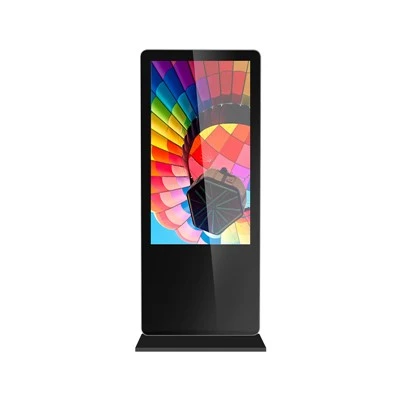
First up, the most high-traffic use case right now is retail & pop-up activations. Think about it—when was the last time you lingered by a flat shelf of mascara or a pair of sneakers? Probably not long. A hologram showcase, though? You can display a 1:1 hologram of a new lipstick shade, so customers can tilt it in their hands (virtually) to see how it looks with different skin undertones, no test swabs needed. Or a running shoe brand—we did a pop-up for a boutique athletic wear line in Brooklyn last month, where their new trail shoe was holographed spinning in mid-air, and customers could zoom in on the tread pattern with their phones (we paired it with a free QR code for that). The team counted that pop-up had 3x more foot traffic than the adjacent store, and the shoe sold out in 48 hours—way faster than their regular online launch timeline. What I love most about this use case is that it’s not just a “cool gimmick”—it solves a real problem for brands who’re fighting to stand out in overcrowded malls.
Next, let’s talk about brand launches & experiential marketing events. If you’ve been to a big product reveal lately (think tech, luxury watches, even candy), you’ve definitely seen these. A few months back, we supplied a showcase for a premium watch brand’s global launch event in Paris—instead of pulling the new watch out of a stuffy velvet box, we projected a 360° hologram of the watch that rotated on a pedestal, so every attendee could see the intricate gear work, sapphire crystal, and engraved back in full detail, even from the back of the room. No need to huddle around a tiny table, wait 10 minutes for the rep to pass around samples. The brand told us later that post-event social media mentions were up 400% because attendees were posting those hologram clips instead of blurry photos of the real watch. For smaller brands, too—we worked with a craft soda company that used a hologram showcase at a food festival to display their new limited-edition flavor. The hologram showed the soda being poured, with little floating mint leaves and berries, and they said they doubled their pre-orders at the event because people could “see” the fresh ingredients way clearer than on a regular can label. No AI could come up with a better marketing hack than making your product look like it’s alive, right?
Then there’s the educational sector—this is one that doesn’t get talked about enough, and it’s my personal favorite. Teachers and museum curators are obsessed with hologram showcases because they turn boring, two-dimensional lessons into something you can interact with. We’ve supplied showcases to middle school science classes, where they can project a 3D hologram of a cell, so students can zoom in on the mitochondria, rotate it 360 degrees, and even “pull” the nucleus out to study it—way more engaging than a textbook diagram. Natural history museums use them too; last year, we worked with a small museum in Arizona that had a fossil of a triceratops skull, but parts of it were missing. We scanned what they had, then created a full hologram of the complete triceratops skull, so visitors could see how it fit together, even if the real fossil was incomplete. A fourth-grade class came through and told the curator they wanted to be paleontologists now— that’s the kind of impact tech can have, not just selling sneakers.
Luxury goods & high-end retail is another big one, and it’s all about exclusivity. If you’ve ever bought a designer bag or a custom diamond, you want to feel like what you’re getting is one-of-a-kind, not just a mass-produced item. A hologram showcase adds that layer of luxury without feeling over-the-top. We did a showcase for a high-end jewelry boutique in Tokyo, where they displayed a rare, 5-carat blue diamond that was only available for purchase at the boutique. Instead of putting it behind glass (which still has glare), the hologram showcased the diamond’s facets, the way it catches light, even the tiny inclusions that make it unique—all projected in thin air, so it felt like you could reach out and touch it, even though you never would. The boutique said they sold that diamond within 3 days of putting it in the showcase, because it made the product feel more valuable than if it was just in a locked case. For luxury brands, it’s not about showing off tech—it’s about elevating the perceived value of their product, which translates directly to higher margins.
Wait, let’s not forget healthcare & medical training—this is such a critical application, especially right now. Medical students used to practice on plastic models or cadavers, which can be stressful and not as hands-on. With a hologram showcase, you can project a 3D hologram of a human heart, or a bone fracture, and let students practice suturing or setting a broken bone on the hologram, no risk to real patients. We supplied a set of showcases to a nursing school in Texas last year, and their instructors said that after 6 months of using them, students scored 15% higher on practical exams than students who only used traditional models. Surgeons also use them for pre-op planning—last year, a team at a children’s hospital in Florida used our showcase to project a 3D hologram of a toddler’s brain tumor, so they could plan the surgery without having to rely on flat CT scans that don’t show depth. That’s the kind of tech that’s saving lives, not just making Instagram posts—way cooler than any Hollywood effect.
Now, let’s talk about maybe the most underrated use case: museum & heritage preservation. A lot of historical artifacts are fragile—old manuscripts, ancient pottery, dinosaur bones—so you can’t let millions of tourists touch them, or even shine bright lights on them, because it damages them. A hologram showcase solves that. We worked with a historical site in Peru that had a 1,000-year-old Inca quipu (a knotted string that was used to keep records), which was way too delicate to put on display. We scanned the entire quipu and created a high-resolution hologram, so visitors could zoom in on each knot, even see the tiny dye colors that have faded on the real artifact. The site said they got 20% more visitors after installing the showcase, because people didn’t have to rush past the original artifact, and they could actually interact with the digital version. It’s like having the best of both worlds: you preserve the real thing, and you give visitors an experience they can’t get anywhere else.
I know what some of you are thinking: “Is this tech actually accessible, or is it just for big brands with huge budgets?” Fair question. When I first started in this space 5 years ago, hologram showcases were super expensive, reserved for big tech conferences. But now, we’ve designed a range of showcases for every budget—from small countertop units for local boutique stores to large floor-to-ceiling units for global brand events. We’ve even got portable, battery-powered ones for pop-up shops that move around every month. So it’s not just for Nike or Rolex—small businesses, schools, local museums can all use this tech without breaking the bank.

At the end of the day, a hologram showcase isn’t just a “fancy 3D screen.” It’s a tool that bridges the gap between digital and physical, makes boring stuff interesting, and helps people connect with products and ideas in a way they never could before. Whether you’re a small boutique looking to drive more foot traffic, a school wanting to make science stick, or a brand launching a new product and wanting to stand out, there’s a way to use our hologram showcases to fit your needs.
Hologram Showcase If you’re curious about how a hologram showcase could work for your business or organization, hit us up to chat. We can walk you through different options, show you case studies, and even tailor a solution to fit your space and budget. No hard sales pitches, just real talk about how hologram tech can make a difference.
References
- Holographic Displays: Applications in Retail and Experiential Marketing, International Journal of Design and Technology, 2022
- The Impact of Holographic Teaching Tools on Student Engagement in Secondary Education, Journal of Educational Technology, 2023
- Hologram Showcases for Cultural Heritage Preservation, Museum and Heritage Review, 2021
- Holographic Simulators in Medical Training: A Systematic Review, Journal of Medical Education and Curricular Development, 2022
- Luxury Brand Experiences: The Role of Holographic Displays in Perceived Value, Journal of Brand Management, 2023
Shanghai Vestouch Electronics Co., Ltd.
We are one of the most professional hologram showcase manufacturers and suppliers in China, also support customized service. Please feel free to wholesale bulk advanced hologram showcase in stock here from our factory. Welcome to contact us for quotation.
Address: Building 8, No.1098 Chuansha Road, Pudong New Area, Shanghai.
E-mail: yihong@vestouch.com
WebSite: https://www.cnvestouch.com/
