If you’ve ever walked through a high-volume manufacturing facility, from automotive parts assembly lines to power distribution component shops, you’ve probably noticed the quiet workhorse keeping operations on schedule: the busbar machine. These specialized tools cut, punch, bend, and crimp copper or aluminum busbars—long conductive strips that carry electrical current without the bulk of traditional wiring—and their efficiency directly impacts a production line’s output, cost, and quality. As a busbar machine supplier with decades of on-the-floor experience supporting manufacturers across industries, I’ve seen firsthand that even the most well-built machine won’t reach its potential if it’s not optimized for the unique demands of your line. Over the years, I’ve worked with teams that boost their busbar throughput by 30% or more simply by refining how they use, maintain, and integrate their equipment—no fancy, costly overhauls required. Today, I’m breaking down the practical, science-backed steps to get the most out of your busbar machine, straight from the shop floor. Busbar Machine
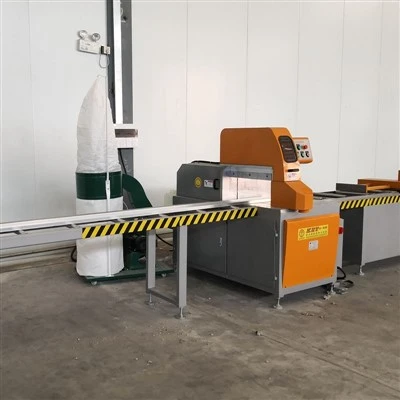
First, let’s start with the foundation: setting your machine up for your specific production needs, not a one-size-fits-all default. I can’t tell you how many times I’ve visited a plant where a team ordered a busbar machine with a generic material feed setting, only to end up with constant jams or inaccurate cuts because they were processing thicker copper bars than the machine’s default was calibrated for. Busbar materials vary wildly: copper has higher malleability but more tendency to spring back after bending, while aluminum is lighter but softer, making it prone to scratching if handled too roughly. Even within copper, there are different grades—C11000 (electrolytic tough pitch) is the most common for power applications, but C12200 (with phosphorus added for durability) requires a slightly adjusted punch force. The first optimization step is to run a material compatibility test before you ramp up full production. Most modern busbar machines come with built-in calibration tools, but we always recommend creating a custom setup profile for every material type and thickness you use. For example, if your line processes both 10mm C11000 copper and 8mm aluminum, create two distinct feed rates, punch angles, and bend angles in your machine’s HMI (human-machine interface) instead of toggling between generic presets. This small step reduces setup time between production batches by up to 40% and cuts scrap rates from misaligned cuts or over-force bends by half. I saw this in action last year with a mid-sized automotive electrical component manufacturer: they had been running a single preset for all their busbar orders, resulting in 12% scrap from bent bars that didn’t fit their assembly requirements. After we worked with their team to build custom profiles, their scrap dropped to 2%, and they reallocated two employees who’d been sorting scrap to quality control tasks that boosted line output.
Next, optimizing the material feed system is one of the most underrated levers for improving busbar machine efficiency. Feed jams are a top cause of unplanned downtime—studies we’ve done with manufacturing research partners show that feed-related issues account for 35% of busbar machine stops, costing an average of $1,500 per hour in lost production. The key here is matching feed speed to your machine’s cycle time, not the other way around. Many operators push the feed mechanism to run as fast as possible to keep up with the line, but this leads to misaligned bars, bent leading edges, or multiple bars being fed at once. For a standard busbar machine, the ideal feed speed is 80-85% of the machine’s maximum cycle speed. How do you find that sweet spot? Start with a slow feed rate, run 50 consecutive bars, and count how many have alignment errors or jam. Increase the feed rate by 5% increments until you start seeing 2-3 errors per 50 bars, then drop it back by one increment. That’s your optimal speed. Also, don’t overlook feed roller maintenance—dust, metal shavings, and leftover lubricant can build up on the rollers over time, reducing traction and causing feed inconsistencies. We recommend cleaning the feed rollers with isopropyl alcohol every 8 hours of operation and replacing them every 6 months, even if they look fine. Last quarter, a power distribution parts plant I work with was averaging 12 unplanned downtime stops per week from feed jams. After adjusting their feed speed and adding a regular roller cleaning schedule, they cut that number to 2 stops per week, adding back nearly 10 hours of production time weekly.
One of the biggest mistakes I see operators make is ignoring the secondary tools that work with their busbar machine. Most modern machines come with optional accessories—like deburring units, laser marking tools, or busbar cutting saws—but many plants don’t use these, opting to outsource those steps or do them manually. The problem? Manual deburring or marking adds 2-3 minutes per busbar, and human error leads to inconsistent quality that can cause issues later in the assembly process. Integrating secondary tools directly into the busbar machine’s workflow eliminates that extra step. For example, our most popular mid-range busbar machine comes with a built-in deburring station that uses rotating nylon brushes to smooth the edges after punching or cutting. We’ve found that adding this tool cuts downstream processing time by 28% because there’s no need to handle the busbar a second time. Another accessory that’s a game-changer is a vision alignment system. If you’re producing busbars with complex cutouts or multiple bends, a vision system can automatically adjust the punch and bend positions to within 0.1mm accuracy, compared to manual alignment which can be off by 0.5mm or more. That level of precision not only reduces scrap but also eliminates rework downstream. A solar inverter manufacturer we support was manually aligning their busbars for string inverters, which had 5 unique bends each. Their team spent 1.5 hours per shift on alignment alone. After we integrated a vision system into their busbar machine, that time was cut to 10 minutes per shift, and their rework rate for misaligned busbars dropped by 90%.
Maintenance is where long-term optimization happens, not just quick fixes. You could have the best setup and feed system in the world, but if you skip routine maintenance, your machine’s performance will degrade over time. The key is to follow a proactive, not reactive, maintenance schedule tailored to your machine’s usage, not just the manufacturer’s generic manual. For high-production lines running 24/7, we recommend daily, weekly, and monthly checklists. Daily checks are quick: verify that all emergency stops are working, clean the punch and die of metal shavings, and lubricate the guide rails with a light, non-stick oil. Weekly checks should include inspecting the feed rollers for wear, tightening any loose bolts on the machine frame, and testing the calibration of the bend angle sensors. Monthly checks are more in-depth: replace worn punch tips or die inserts (most suppliers, including us, offer pre-sized replacement parts that fit directly into your machine), check the hydraulic fluid level and filter, and update the machine’s software to access the latest bug fixes and performance optimizations. I always tell teams that a $50 replacement punch tip is cheaper than running a worn tip, which can bend busbars incorrectly and lead to $1,000 worth of scrap in a single shift. We had a client last year who waited 3 months to replace a worn die insert; by the time they swapped it out, they had 800 scrap busbars and a damaged feed roller that cost $2,500 to repair, all because they skipped a monthly maintenance task. Proactive maintenance doesn’t just prevent breakdowns—it keeps your machine running at peak speed, so you don’t have to slow down production to compensate for wear.
Don’t forget to train your team properly, because even the best machine in the world is only as good as the person operating it. I’ve seen too many plants hire operators with little to no specialized training, assuming that busbar machines are “plug-and-play.” Busbar machines require knowledge of material properties, calibration, troubleshooting, and safety protocols that go beyond basic equipment operation. The good news is that training doesn’t have to be complex. We offer on-site training for all our clients that covers setup, basic maintenance, error resolution, and best practices for different materials. But even if you don’t work with a supplier that provides training, there are steps you can take: create a standard operating procedure (SOP) handbook specific to your busbar machine and production line, assign a senior operator to act as a resource for new hires, and hold weekly 15-minute huddles to share tips or address common issues. For example, if an operator figures out that adjusting the bend angle by 2 degrees compensates for copper springback, document that in the SOP so everyone can use it. A lighting and industrial control manufacturer we partnered with had a 40% operator error rate when they first installed their busbar machine, because operators didn’t understand how material properties affected settings. After we provided tailored training and updated their SOPs, their error rate dropped to 5%, and their operators felt more empowered to adjust settings to improve production.
Finally, a small but impactful step: collect and analyze machine data to spot patterns you might miss. Most modern busbar machines have built-in data tracking that records cycle time, downtime reasons, scrap rate, and material usage. Many teams ignore this data, but it’s a goldmine for optimization. For example, if your data shows that the machine stops for 5 minutes every morning when you switch from aluminum to copper, that’s a signal that your changeover process is inefficient. Maybe you can pre-set both material profiles in advance, so the operator only has to swap the feed stock and hit “run,” instead of re-calibrating every time. Or if your data shows that 70% of scrap comes from a specific punch station, that tells you that punch tip is wearing out faster than expected, so you can adjust your maintenance schedule to replace it every 2 weeks instead of a month. We recently worked with a large automotive parts plant that was running their busbar machine 20 hours a day, but only hitting 75% of their target output. When we looked at their machine data, we noticed that they were spending an average of 10 minutes per batch cleaning the machine’s chip collection tray, which added up to 5 hours of downtime per week. We suggested adding an automated chip evacuation system (a low-cost accessory) and adjusting the cleaning time to happen during breaks or scheduled shift changes. Within a month, their output increased by 18%, just by fixing a small, data-identified inefficiency.
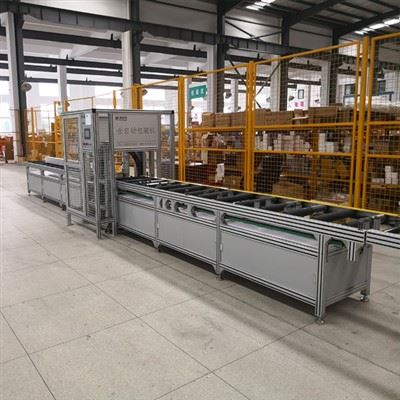
At the end of the day, optimizing a busbar machine on a production line isn’t about buying the most expensive equipment or making major overhauls. It’s about small, consistent adjustments tailored to your specific operations, investing in your team and maintenance, and using data to make informed decisions. As a busbar machine supplier, our goal isn’t just to sell you a machine—it’s to help you get every possible advantage from it, because when your busbar machine runs smoothly, your entire line runs smoothly. If you’re looking to improve your production line’s efficiency, reduce scrap, or troubleshoot issues with your current busbar machine, we’re here to help. Reach out to our team to discuss your production needs, and we can work together to find solutions that fit your operation.
Busbar Accessories References
Busbar Technical Association. (2022). Best Practices for Busbar Manufacturing in High-Volume Production.
Industrial Equipment Maintenance Institute. (2023). Proactive Maintenance Strategies for Metal Forming Equipment.
International Journal of Manufacturing Efficiency. (2021). Material Feed Optimization for Cutting and Bending Equipment.
Suzhou Kiande Electric Co., Ltd.
Suzhou Kiande Electric Co., Ltd. is one of the most professional busbar machine manufacturers and suppliers in China, also supports custom service and OEM&ODM service. Welcome to buy durable busbar machine made in China here and get quotation from our factory. Quality products and reasonable price are available.
Address: No.123, Suzhou Avenue East, Suzhou Industrial Park Suzhou, Jiangsu 215000 China
E-mail: saleswmkc@kiande.cn
WebSite: https://www.busbarcncmachine.com/
